

In Heaven, Everything Is Fine
A personal epitaph for the great David Lynch.

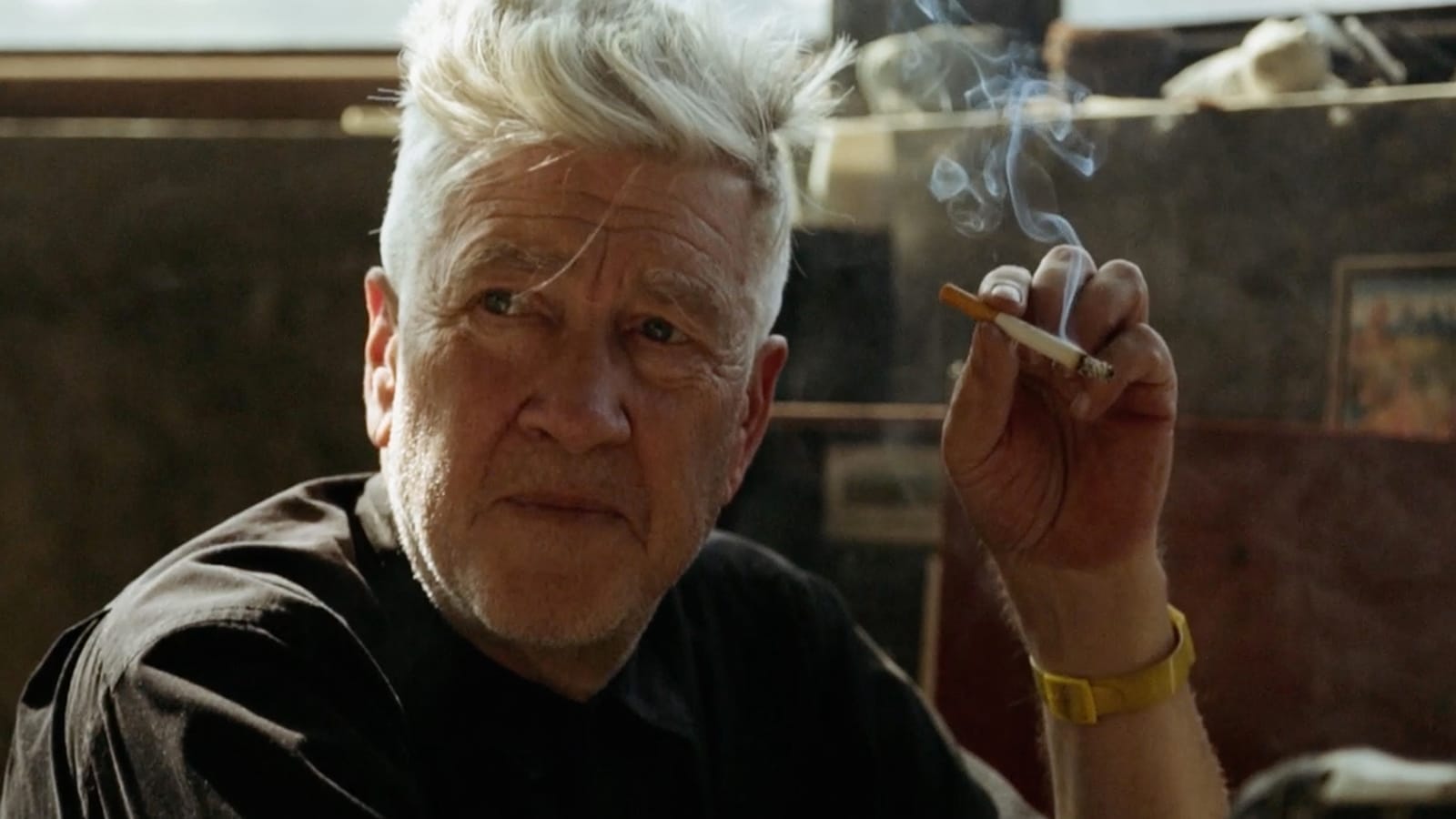
“In film, life-and-death struggles make you sit up, lean forward a little bit. They amplify things happening, in smaller ways, in all of us. These things show up in relationships. They show up in struggles and bring them to a critical point.”
Taken from an interview conducted with Mikal Gilmore in Rolling Stone magazine.
I remember vaguely hearing the name “David Lynch” all throughout my childhood years, especially owing to the fact I’d known vaguely about Twin Peaks in passing. Obviously, at that point of my own life, I was way too young to even be watching something like Twin Peaks, but I won’t lie when I at least say that it had always fascinated me in some way or another. So that by the time I finally got around to watching the series in full for the first time in my high school years, I was taken aback. I don’t think I’d ever watched anything quite like it at the time. It was just something that existed in its own realm, like it came to me at the perfect time.
This also just so happens to be where I remember the shock of seeing many of David Lynch’s own movies for the first time, so that I could get a proper taste for his work after having been drawn into these supposedly “weird” stories that I remember them having been described as for a long while. At 15 years old, I remember when I stumbled across The Elephant Man in full on YouTube (the good old days), primarily because I was looking for an easy way to enter the work of David Lynch without wanting to raise the suspicions of my parents as they noticed myself wanting to get into world cinema that would have been made for adults at the time. It was one of the easiest ones for me to access, given the PG rating, but as my first David Lynch film at the time, I remember being so deeply moved by its portrait of Joseph Merrick (renamed “John” for the film) and the cruelty he suffered for his deformed appearance but also the empathy that Lynch had shown all throughout the film for Merrick.
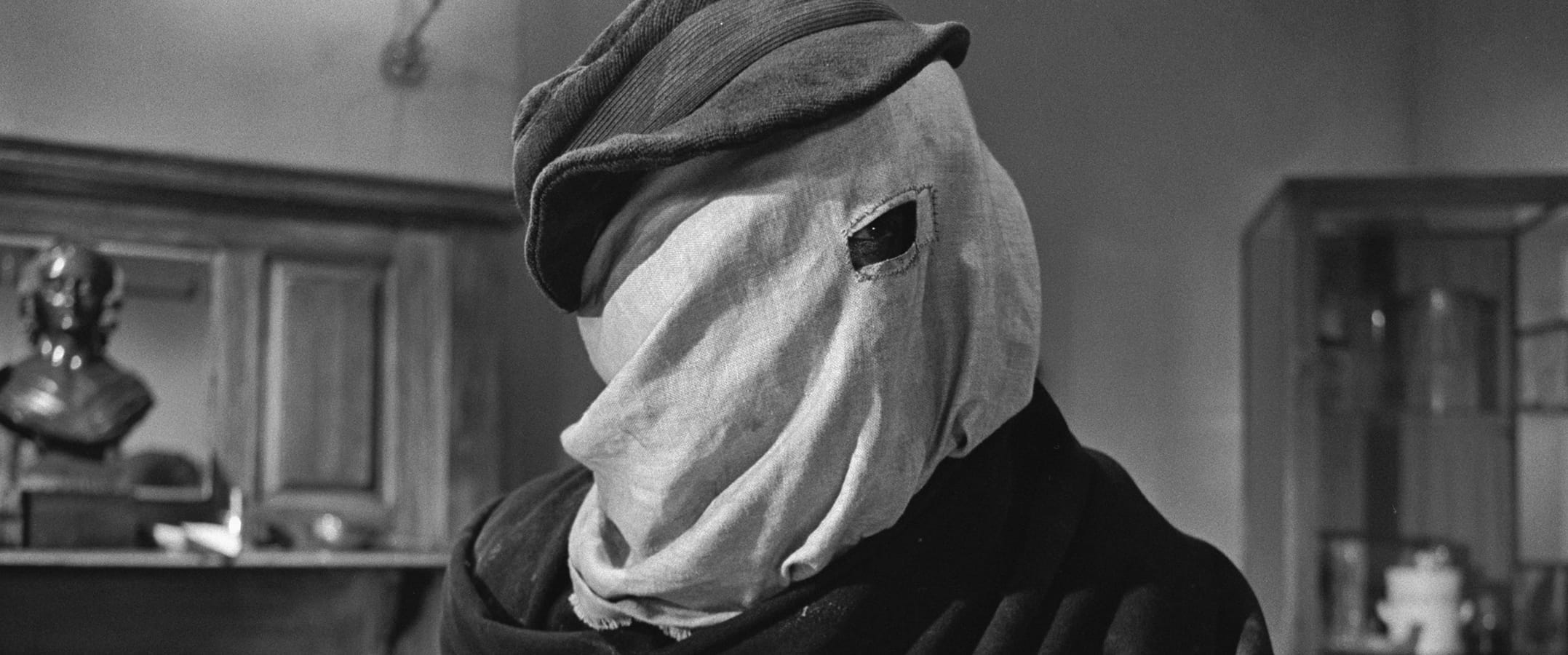
It was unlike anything else I’d seen at the time. Because there was just so much warmth, empathy, humanity, and kindness on the screen throughout The Elephant Man. Perhaps that also came in with the expectation for something “weird” at the time, owing to David Lynch’s reputation, but instead I think I got a sense of what David Lynch had viewed of the world in question. It’s a very beautiful movie, one that I think everyone should watch when they get the chance - as not only do I think it would be the easiest gateway for most into the work of David Lynch, but it really gives you a feel for himself on the whole.
Then that was where my curiosity slowly piqued to the point it had taken my younger self to films like Mulholland Drive and Blue Velvet. With the case of the former film, I remember having become so confounded on my first watch, that I immediately watched it again. Perhaps it might also be the fact that I was very young at the time and it was also the time in which I had only gotten a sense of what “great cinema” was like through the obvious broad strokes that are touted by many cinephiles, but I also thought to myself that it was the perfect age to watch something like Mulholland Drive.

For a budding cinephile at the time, I remember thinking that I could just as easily say a film like Mulholland Drive would be an easy favourite by manner of citing many other reviews that supposedly got a grasp of its central conceit better than I did. But I think that as many of my friends on Letterboxd would know; it is maybe my single most rewatched film since the day I had first joined the platform in 2014. There are times I even think it could be my favourite film in general, owing to how I think that the film itself is so deeply layered, labyrinthine, and even dreamlike to the point that it clearly is inviting everyone who watches it once to come back again.
And I think that was where I realized how important my discovery of David Lynch’s films were to my own cinephilia growing up. It wasn’t just by manner of the fact that his films’ weirdness might have appealed to me as a teenager who wanted to get a better sense of great cinema in general, but because films like Mulholland Drive and Blue Velvet had fundamentally changed how I perceived what the medium should exist for. It helps that with every time I come back to Mulholland Drive, I’m always having so much fun trying to discuss many focal points that come back into discussions with my many friends who also share our love of the film - but because it was a film that always felt like it was changing for each mood in which I were to revisit it, so that I can take something new out of it with each revisit.
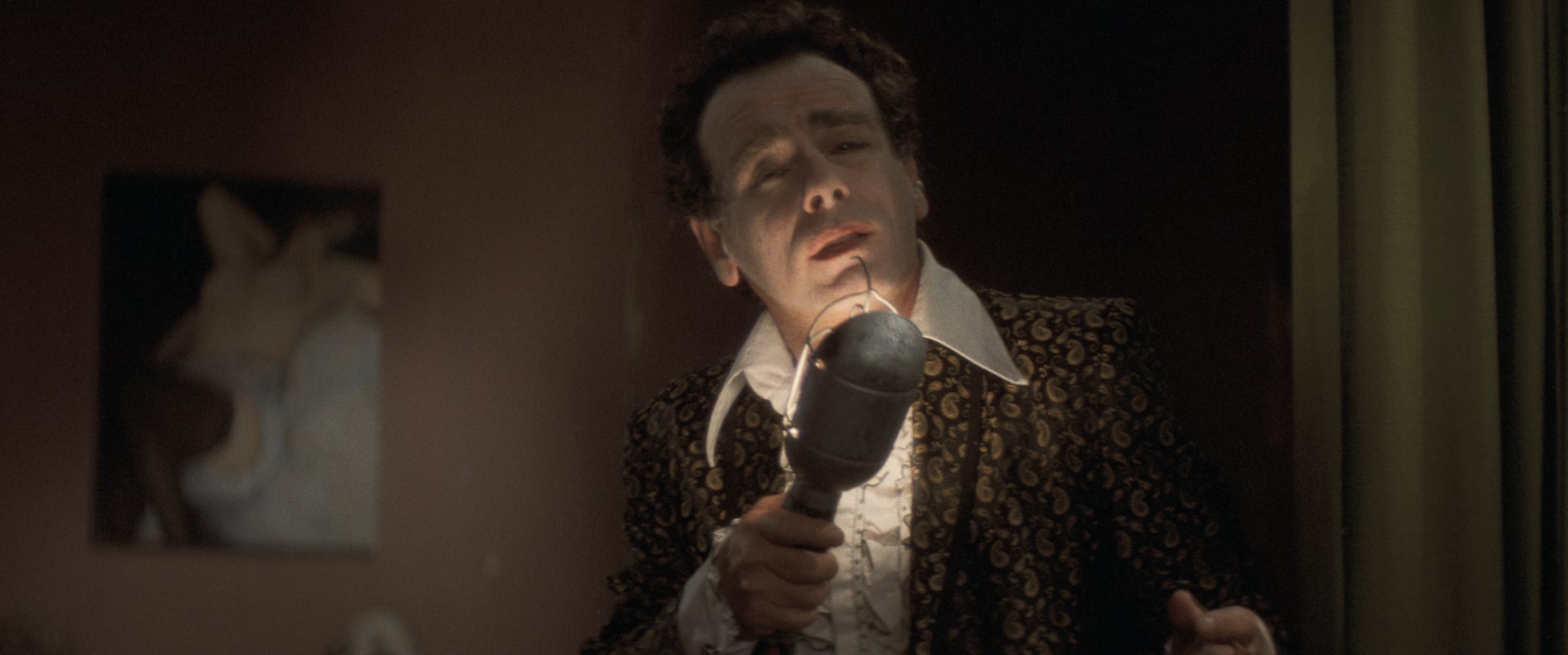
There’s always such a shock that comes into one’s system when they watch something particularly offbeat like David Lynch’s work. Knowing the fact that he’s never been one to explicitly detail the meanings of his work in interviews, it all speaks to how someone like him ultimately trusts his audience to make of them what they will, because no two people are going to come out of any movie with the same reading. For Mulholland Drive or Blue Velvet especially, they present themselves as tangible mysteries at the start and yet you sink your teeth deeper into them and you find that there’s far more of an enigma bubbling underneath that’s calling for the viewers to try and see beyond the surface, like they would always do for their own favourite movies. After all, it’s like the perfect litmus test for many viewers so that we get a perfect grasp on how well they’re engaging with the movies that they’re watching on their own terms at that.
I think that whether you’re watching films like Eraserhead, Blue Velvet, Lost Highway, or even any episode of Twin Peaks, it should be no surprise that the mystique presented all throughout would have many people continually talking. Whether good or bad, whether they think they understood what they had seen or if they had found what they were watching impenetrable - I think many of us simply consider ourselves lucky that David Lynch had been around as long as he was, because his name simply pointed back to wholly unique experiences for anyone from start to finish and that was how you knew you were watching anything with his touch, let alone his influence.
As the news of David Lynch’s death first broke, I was in the midst of recording a podcast episode together with a friend - and we were talking consistently for maybe a little over half an hour. But I was also caught off guard by a pop up notification on my phone that read “BREAKING: David Lynch has died at 78.” At that point, I suddenly went silent, although I tried to hide what I thought to myself over the recording of the episode so as to avoid killing the mood. It was at that time my co-host had also found out about David Lynch’s passing, and even though we knew something of this sort was going to happen with his emphysema diagnosis being made official last year, it was still bound to hurt either way.
Normally, I don’t do these long posts about celebrity deaths, but for David Lynch, I had to make an exception. Much of this simply was born out of the fact that many of Lynch’s films were very important to my continually expanding taste in film and even served as a gateway of sorts into what supposedly was the unknown to me at the time. To put it lightly, I don’t think any celebrity death has affected me profoundly like this, at least since the death of David Bowie in early 2016. Even if we knew it was coming, it doesn’t make things any easier: I think my own path towards my love of film had ultimately come to this point thanks to a love of David Lynch and for that I am forever grateful. I owe David Lynch something, even though I’ve never met him - because he’s helped me grow both as a budding cinephile and eventually as a film school student at that.
Thank you, David Lynch. I suppose I’ll eventually see you in the Black Lodge.
So so poignant
Beautiful words Jaime.