


A short retrospective at TIFF dedicated to John Sayles comes to an end, but not without a few productive conversations with a genius who helped pave the way for many independent filmmakers to follow. I had the pleasure of talking with Sayles, even having him sign my Criterion 4K UHD edition of Lone Star, which almost made the cut. That having been said, a package also came in for me from Vinegar Syndrome, so you might even be able to guess which of these viewings came from there.
Without further ado, these are Friday’s Five Films. If you like what you’re seeing here, remember to subscribe for a whole lot more.
#1: City of Hope (1991, John Sayles)
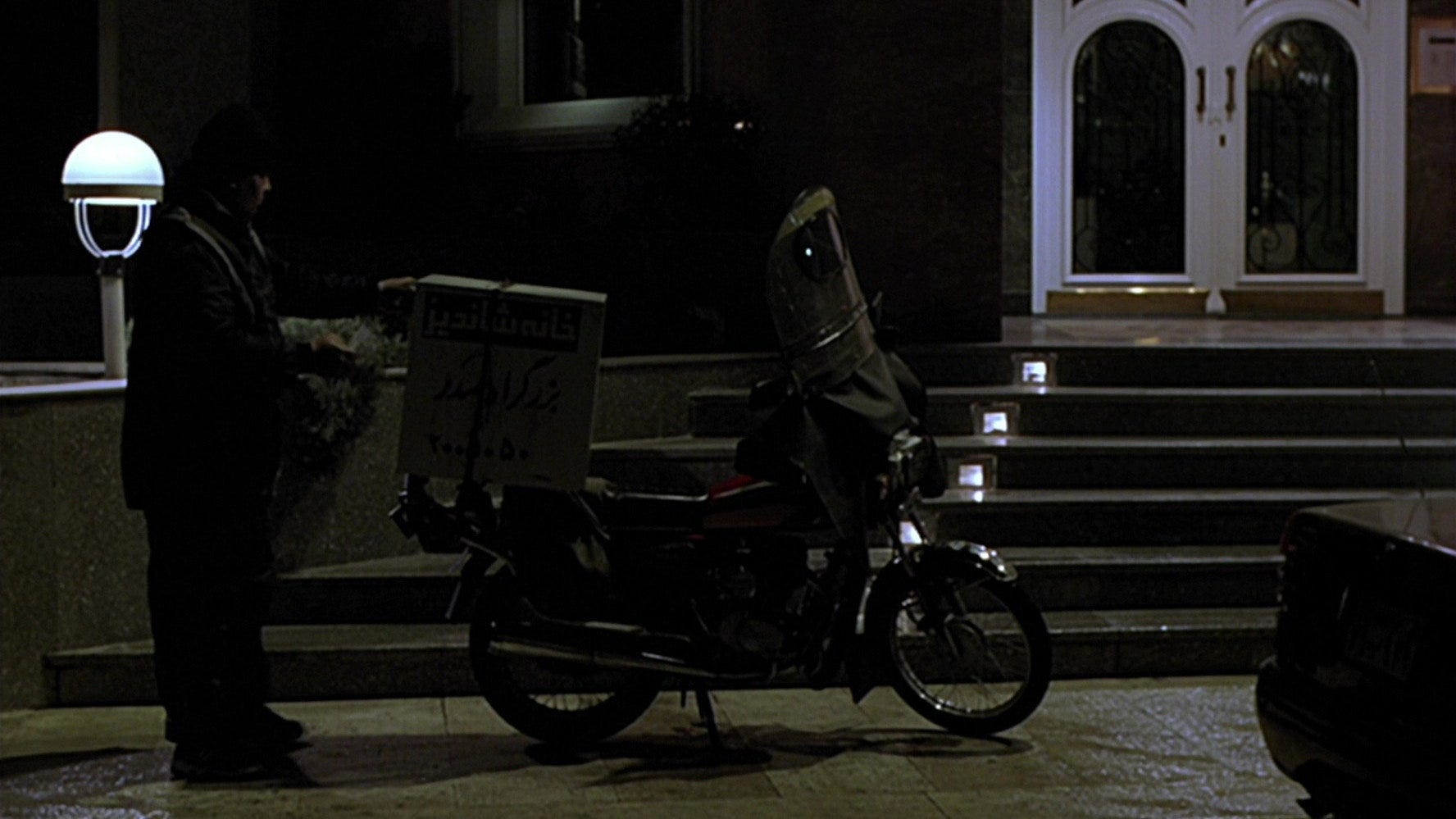
It was a tough call for me to choose a John Sayles movie for this slot. Lone Star is brilliant, Matewan is excellent, but I settled for City of Hope because it’s not nearly as well-known. And in my eyes, it deserves to be ranked among his best works. Sayles has always been a highly class-conscious storyteller, but he’s also a very deeply multifaceted storyteller at that. In how these many narratives converge in City of Hope, we’re watching a film about the American economy that’s as bleak as they might get. This is a city of hope, not for the working class, but for the already rich and powerful, hoping to corrupt more along the way.
#2: Crimson Gold (2003, Jafar Panahi)
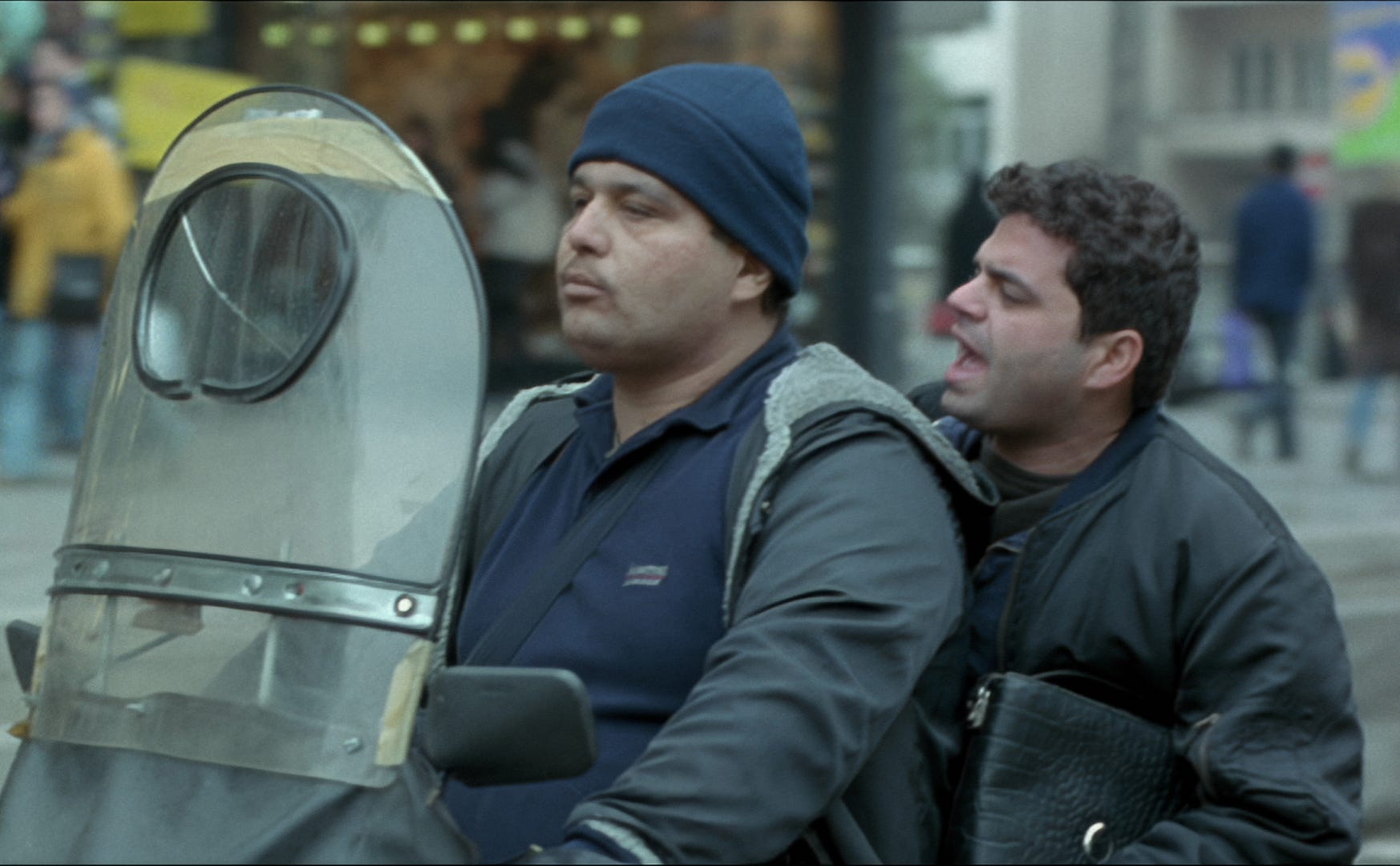
I consider Jafar Panahi to be one of the most important working filmmakers. This doesn’t stem just from the scrutiny that he’s faced within his native Iran, but because of how his work breaks down human nature. Yet, Crimson Gold is where you also sense a budding anger that remains present through his later work. He’s moved away from that same realm of innocence he’d given us in The White Balloon and The Mirror, but started with a violent image in Crimson Gold and reverse engineered from there. It may be the most harrowing film of his career before his arrest.
#3: Disclosure Day (2026, Steven Spielberg)
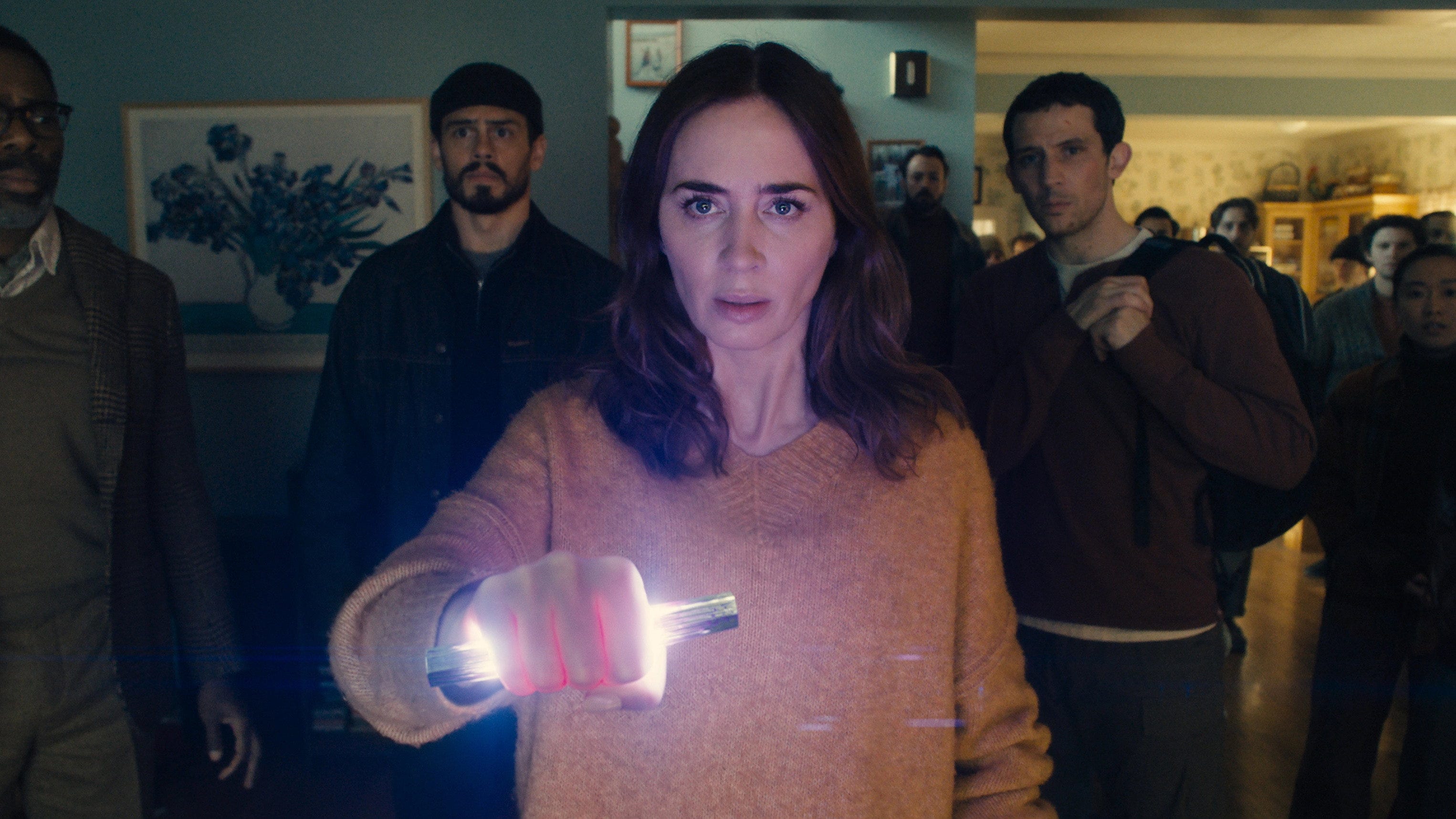
This isn’t a perfect film. It might even be a messy one at that. Yet, that might be all the more reason I love it. Granted, Steven Spielberg is a name you can naturally expect greatness from – and he’s swinging for the fences as he revisits familiar territory with Disclosure Day. All of which comes from Spielberg earnestly believing that something amazing is out there that can bring people together, knowing that we all have a natural distrust in ruling forces. If anything, I’m just glad Spielberg got this out of his system.
#4: Re-Wind (1988, Hisayasu Satô)
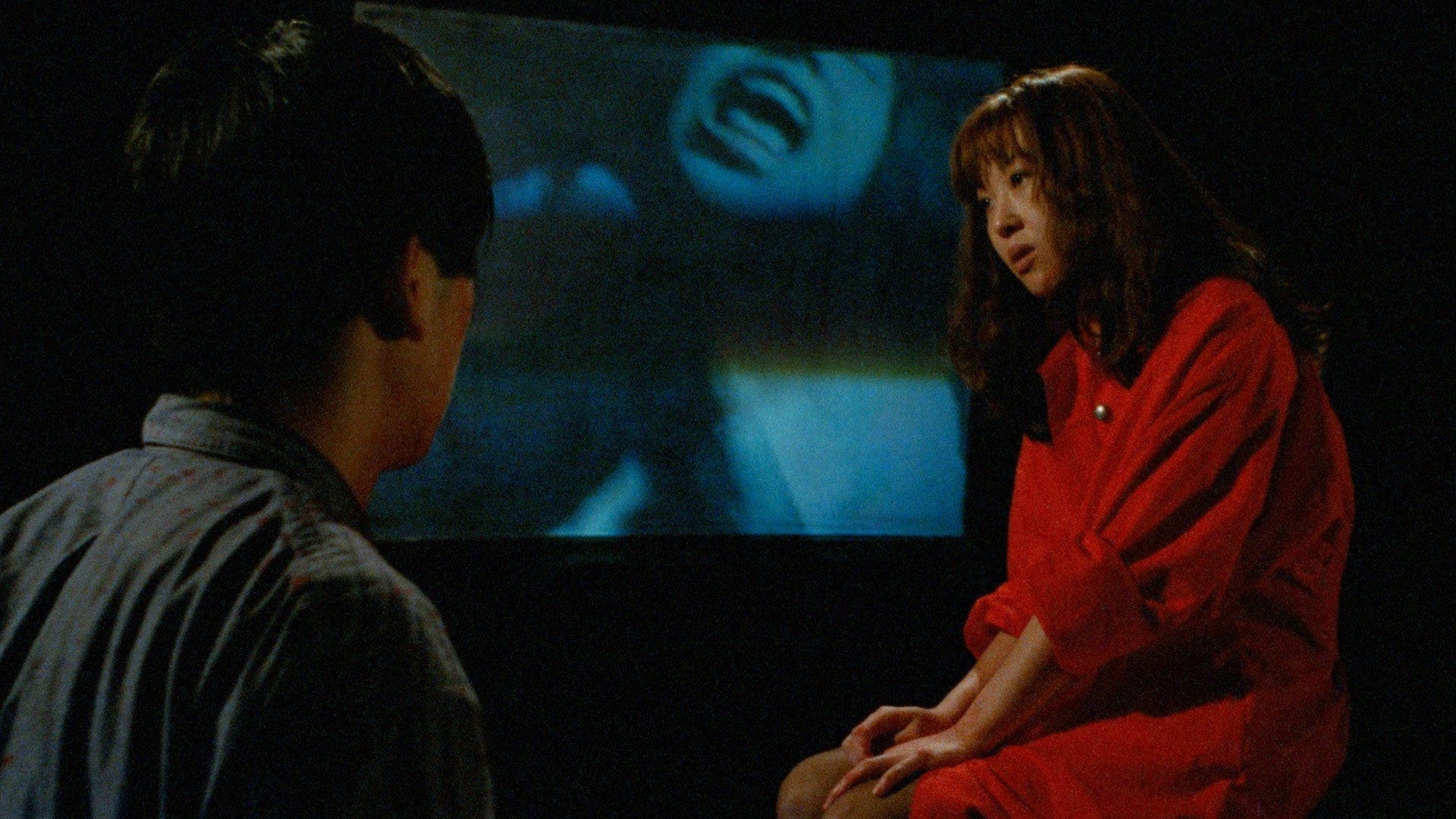
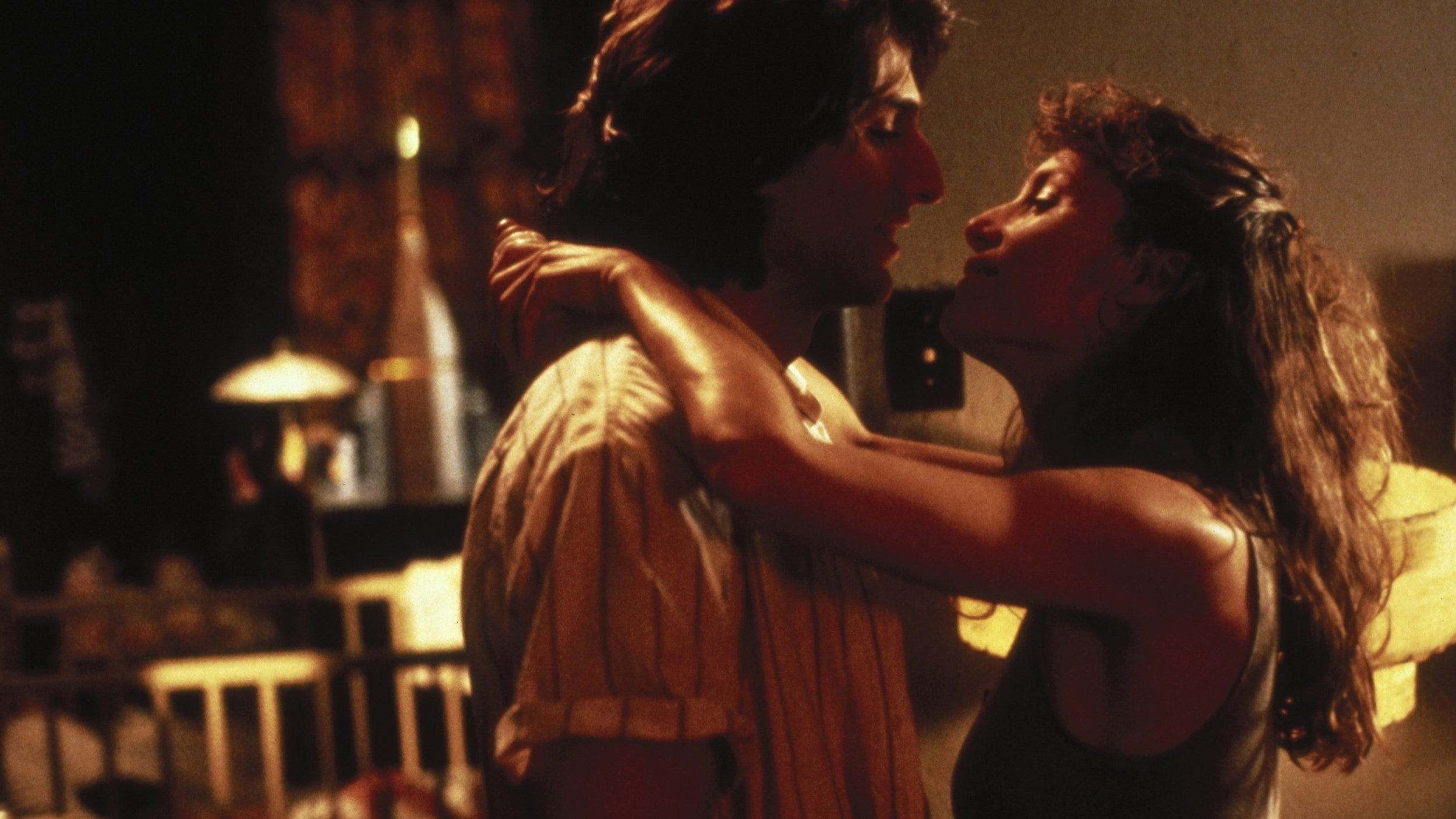
Hisayasu Satô is not an easy filmmaker to sell, perhaps because that classification of his most famous works as “pinku eiga” would leave you thinking of pornography. Though I find that he’s all the more fascinating because of how he utilizes that same field, given the sort of audiences that these films attract. In Re-Wind, he’s weaponizing the desires of the viewers, before unleashing some of the most horrifying images of violence – to a point you feel implicated for watching the film. That alone might be the perfect doorway to the horror genre for someone like Satô after all.
#5: Spacked Out (2000, Lawrence Ah Mon)
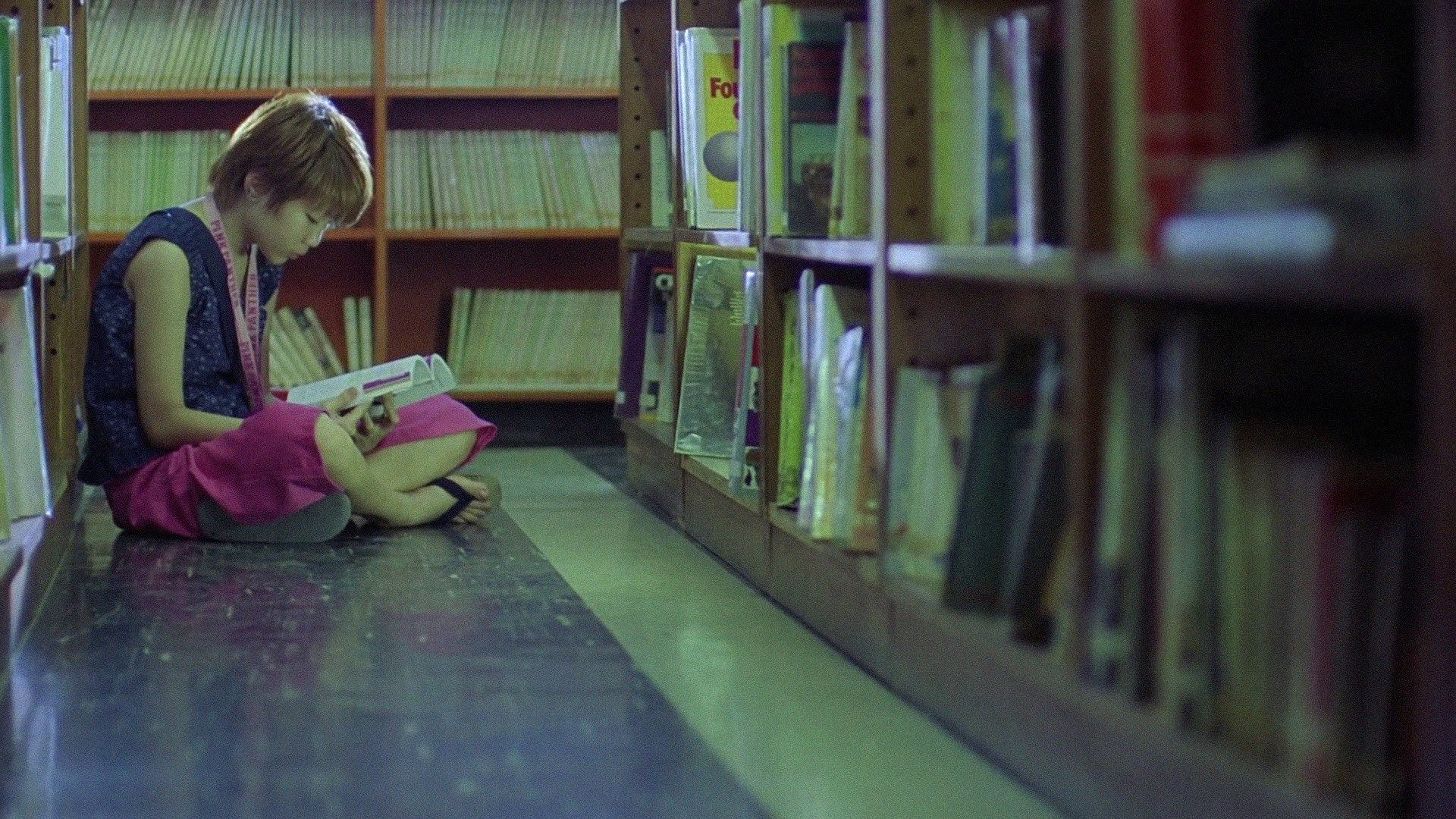
In my eyes, this film deserves to be listed among the greatest coming-of-age films ever made. Every minute of Spacked Out feels so full of life, but it’s also built around the idea that young people are not nearly as naïve about the state of the world as we presume. And in how this film emphasizes the difficulties of being a woman in contemporary Hong Kong, Lawrence Ah Mon has no judgment to pass. He sees them all as human beings, sharing a mutual struggle – something we can relate with, even as something so horrifying may even happen out of nowhere.
The Complete Day-by-Day Log
First time watches are denoted with bold text. Scores are on a ½ to ✯✯✯✯✯ basis.
Friday
The Doom Generation (1995, Gregg Araki) - ✯✯✯✯✯
The Blue Caftan (2022, Maryam Touzani) - ✯✯✯✯½
Lone Star (1996, John Sayles) - ✯✯✯✯✯
Men with Guns (1997, John Sayles) - ✯✯✯✯½, watched on 35mm
Saturday
I.K.U. (2000, Shu Lea Cheang) - ✯✯✯✯½
Trainspotting (1996, Danny Boyle) - ✯✯✯✯✯
It Was Just an Accident (2025, Jafar Panahi) - ✯✯✯✯✯
Baby It’s You (1983, John Sayles) - ✯✯✯✯½
Sunday
Singapore Sling (1990, Nikos Nikolaidis) - ✯✯✯✯✯
Reaching for the Moon (2013, Bruno Barreto) - ✯✯✯✯
Silver City (2004, John Sayles) - ✯✯✯✯
City of Hope (1991, John Sayles) - ✯✯✯✯✯
Spacked Out (2000, Lawrence Ah Mon) - ✯✯✯✯✯
Monday
Point Blank (1967, John Boorman) - ✯✯✯✯✯
Straight to Hell (1987, Alex Cox) - ✯✯✯✯½
The Dresser (1983, Peter Yates) - ✯✯✯✯
Dreams (2025, Michel Franco) - ✯
Up (2009, Pete Docter) - ✯✯✯✯✯
The Columnist (2019, Ivo van Aart) - ✯✯✯½
Tuesday
E.T. the Extra-Terrestrial (1982, Steven Spielberg) - ✯✯✯✯✯
Great Freedom (2021, Sebastian Meise) - ✯✯✯✯½
Disclosure Day (2026, Steven Spielberg) - ✯✯✯✯½, watched on 70mm
They Will Kill You (2026, Kirill Sokolov) - ✯✯½
Wednesday
Yi Yi (2000, Edward Yang) - ✯✯✯✯✯
Dou kyu sei – Classmates (2016, Shoko Nakamura) - ✯✯✯✯
Re-Wind (1988, Hisayasu Satô) - ✯✯✯✯✯
A New Love in Tokyo (1994, Banmei Takahashi) - ✯✯✯✯✯
Thursday
Crimson Gold (2003, Jafar Panahi) - ✯✯✯✯✯
Rose of Nevada (2025, Mark Jenkin) - ✯✯✯✯
Return of the Secaucus Seven (1980, John Sayles) - ✯✯✯✯✯, watched on 35mm
The Howling (1981, Joe Dante) - ✯✯✯✯
For real time updates, please follow me on Letterboxd here.
I liked Re-Wind and I want to watch something else like it, but the descriptions of a lot of Satô's other movies come across as maybe a little more extreme than what I'm looking for. What do you think is a good next movie of his to check out? Something more "dark noir" than splatter porn