


A retrospective dedicated to Christopher Nolan has started at TIFF. I’m one of those people who bought a ticket to see The Odyssey on IMAX 70mm an entire year in advance, so by next week, you’ll have some more of my thoughts readied out on Cinema from the Spectrum. I almost considered putting Tenet on this week’s selection because I certainly had a better time watching it now than I did during its initial run; and maybe the crowd experience helped that. Because that move to release the film during the peak of the pandemic certainly helped get people talking about it, maybe not for the same reasons Nolan hoped. I’ll have more thoughts to write soon.
Without further ado, these are Friday’s Five Films. If you like what you’re seeing here, remember to subscribe for a whole lot more.
#1: Bringing Out the Dead (1999, Martin Scorsese)
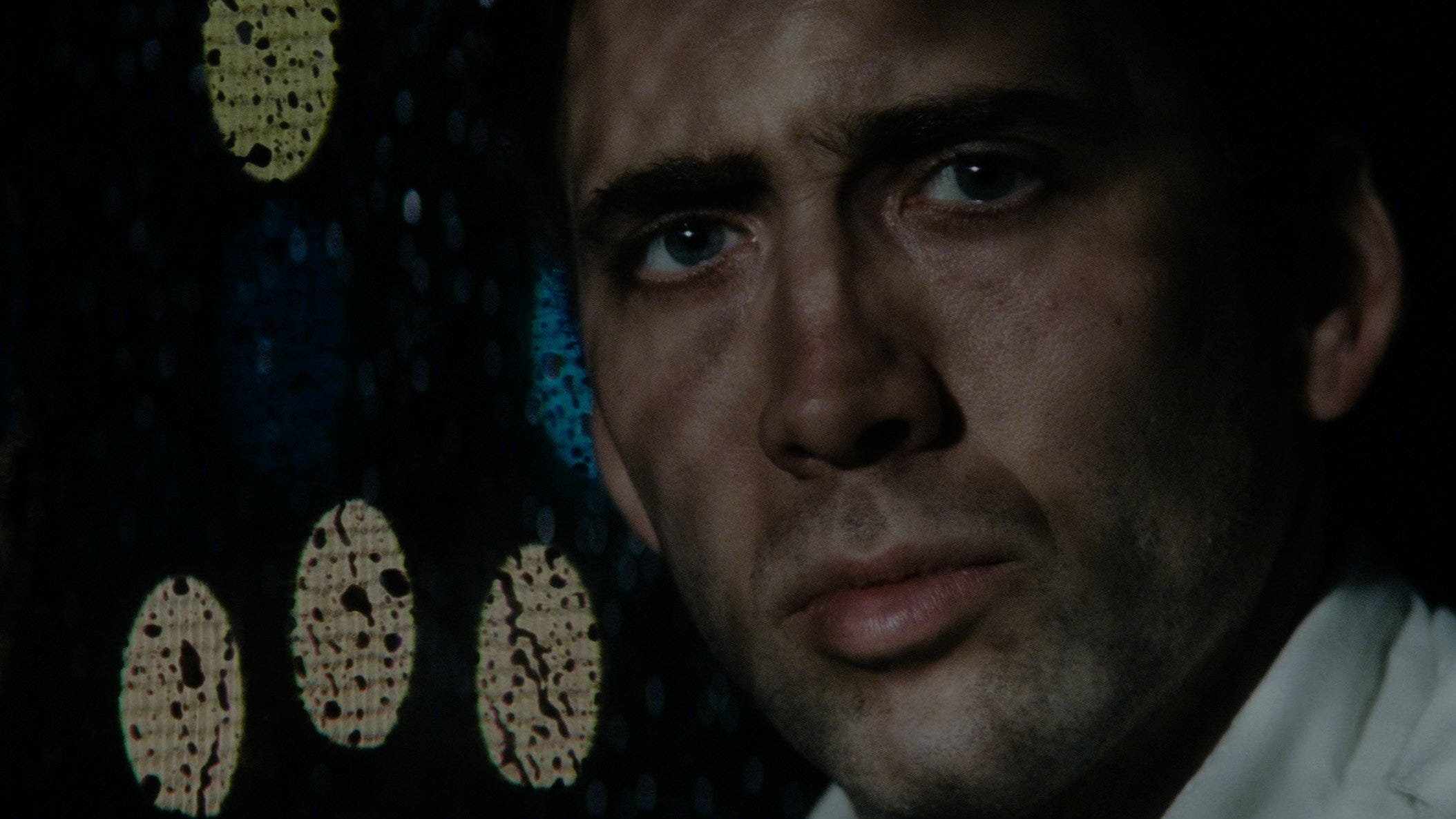
One of my favourite Martin Scorsese films, perhaps one that even seems underrated by virtue of it not receiving the same level of reverence as most of his films in this era. I can’t think of many other films that give you a sense of the psychological damage that workplace burnout does much like this one. And the fact it’s for a service as essential as an ambulance driver makes it all the more horrifying, because we’re always seeing constant life-or-death scenarios all around. Nicolas Cage has never been much better than he is in here.
#2: Comanche Station (1960, Budd Boetticher)
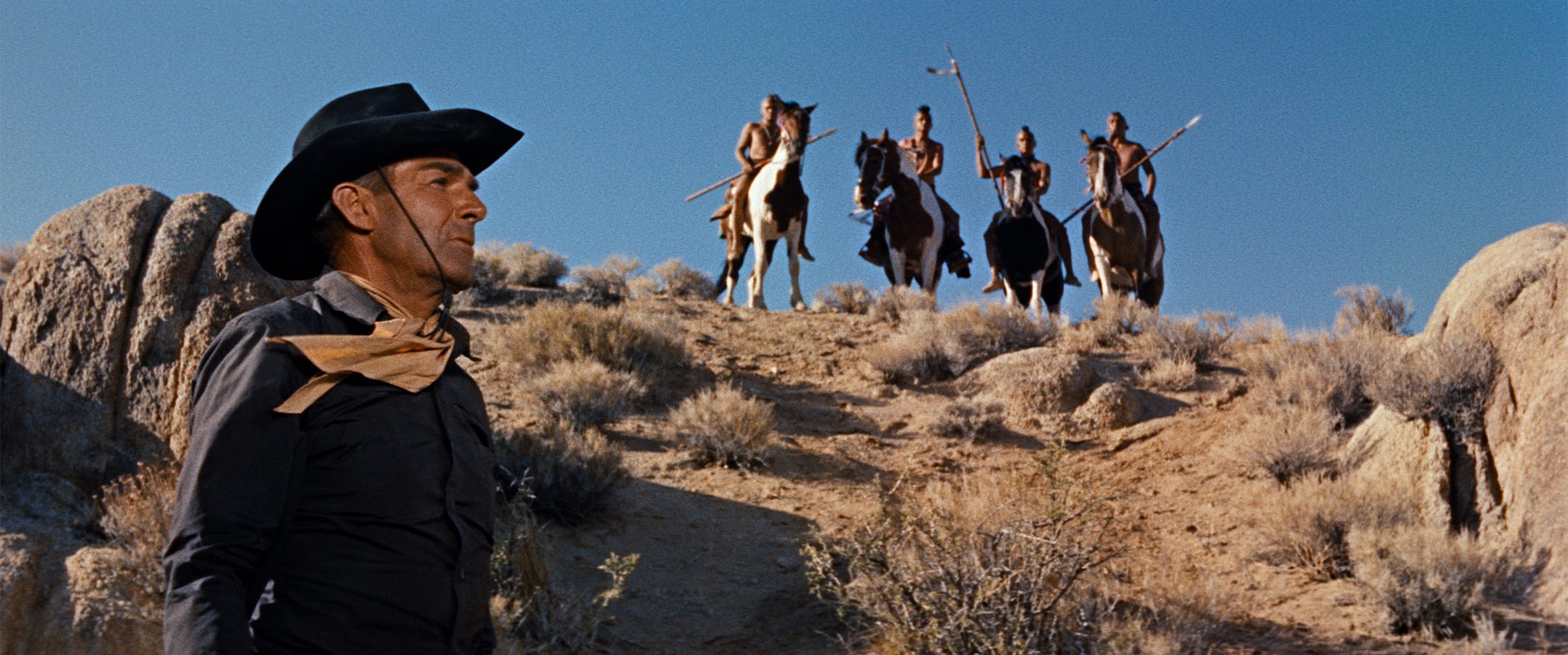
At the last Criterion sale in March, I picked up the Ranown westerns box set. I delayed watching the final film in the set for some time, but now that I’ve gotten around to it, I can safely say that this box set has been one of my favourite purchases. The low-budget nature of these westerns doesn’t only lend itself to a more creative production, but a different understanding of the American west. This has been a common through line for each of the Ranown westerns, but this final film in the cycle encourages us to rethink the violent nature of American mythologies as perpetuated by the west. The opening scene, being of few English words, lets us ruminate on the treatment of Native Americans in that same process. Sure, it’s dated – as with any great western of this era. However, Boetticher’s not one to let the viewers off the hook so easily, especially when the lines between how we understand “good” or “bad” are never so simple.
#3: Full Contact (1992, Ringo Lam)
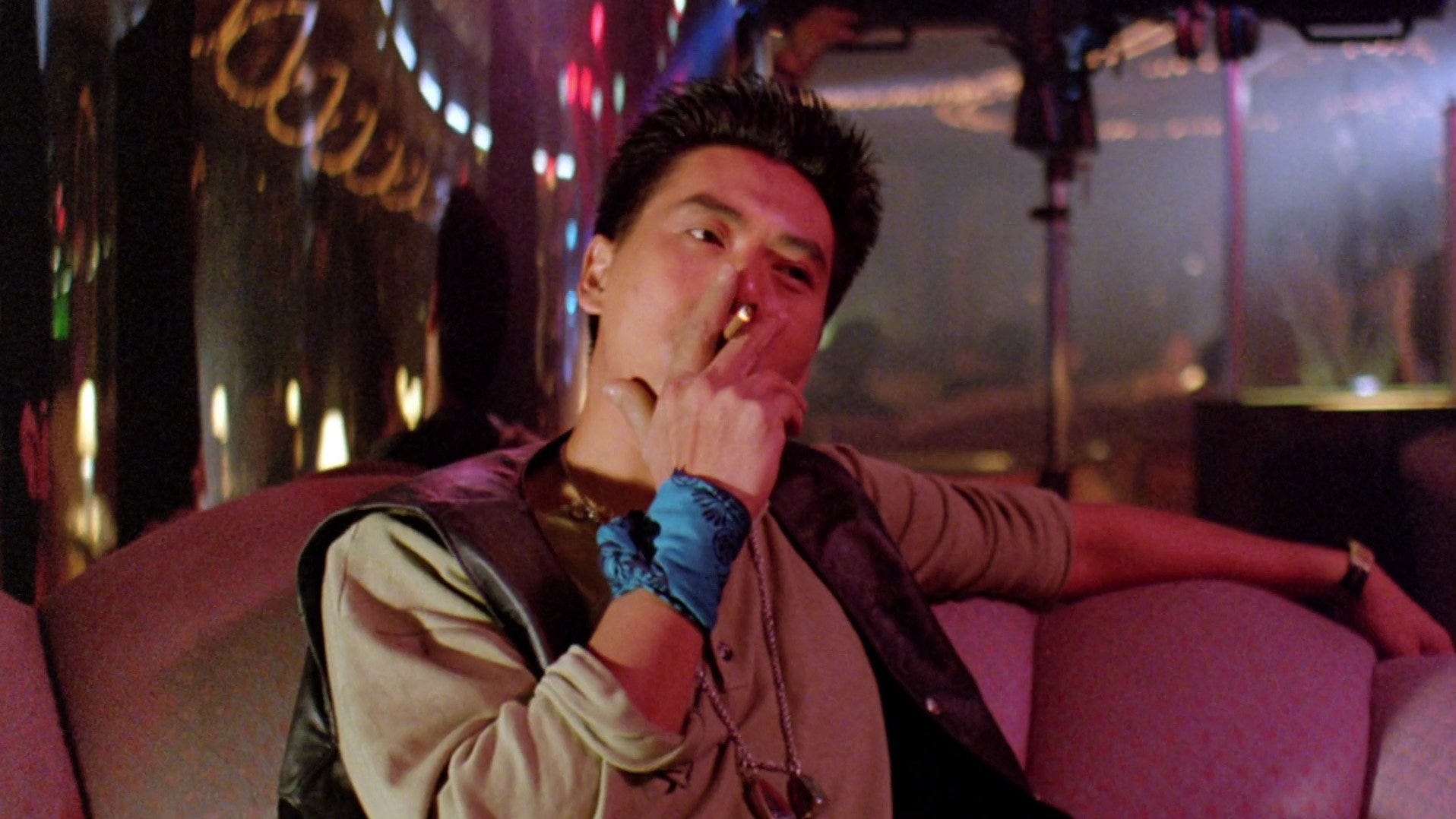
Chow Yun-fat is one of the greatest movie stars ever to do it. I think all you even need to see is him in any of his action movies, and you’ll feel his presence commanding the screen with relative ease. For Ringo Lam, Full Contact is a perfect opportunity for him to create what he defines as a “pure action” movie, but this template of revenge is so elaborate, you feel violence at an interpersonal level. And it also has one of the all-time great final lines in just about any movie: “Go jerk off in hell!”
#4: La Maison des bois (1971, Maurice Pialat)
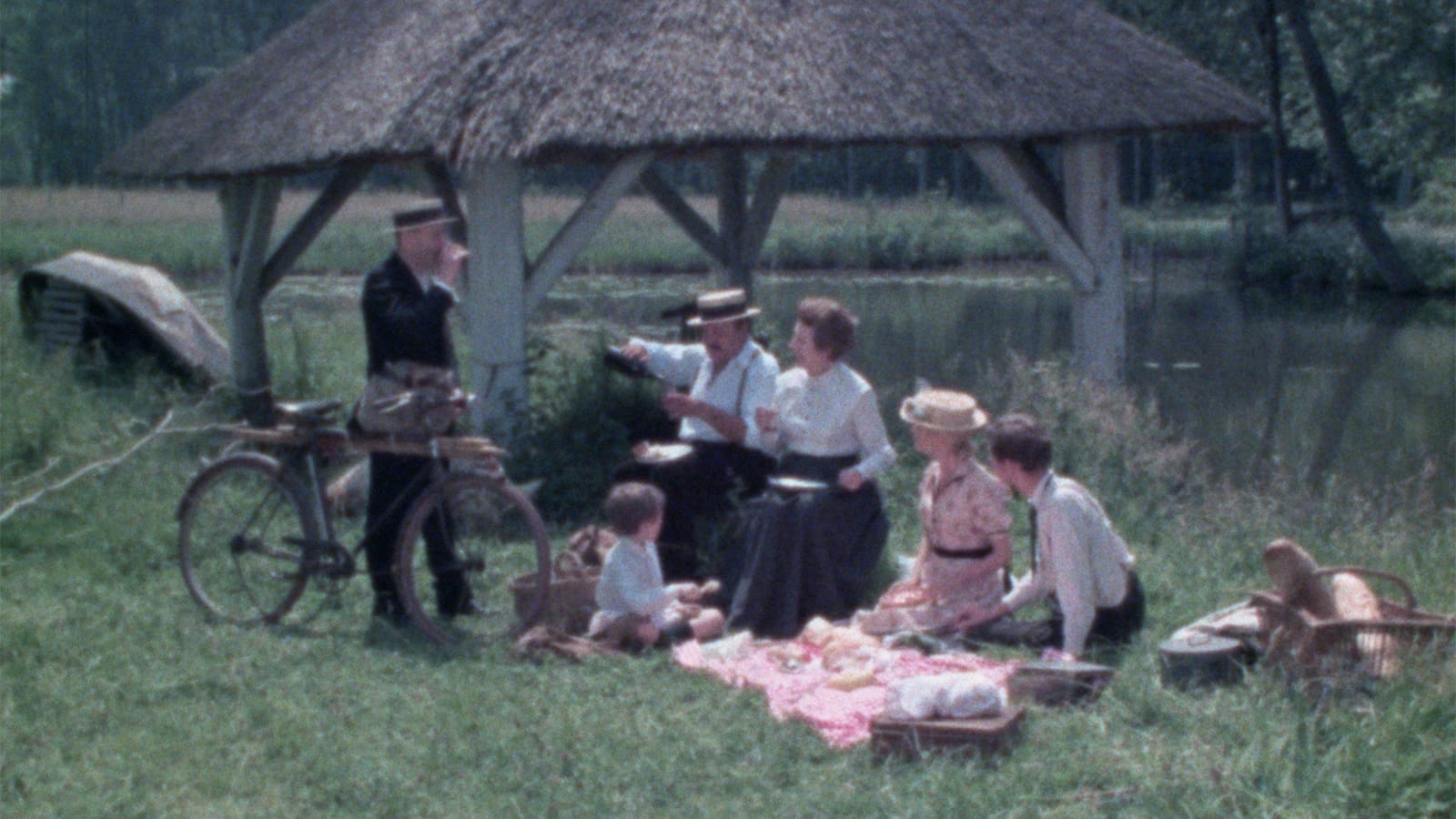
For once, I decided to include an entire miniseries here. Probably won’t be the last time I’ll do that, either, but I felt it was appropriate in this case after having gotten the chance to see all seven episodes theatrically. There’s a part of me that wants to say this is my favourite Pialat work, especially for how it engages with the way that wartime displacement affects a child’s psychology. It’s part of where Pialat has created an astonishing coming-of-age story in La Maison des bois, but we’re also seeing that there’s a looming threat of violence because of the war. It’s something that haunts every episode, but especially the way the young Hervé grows up, let alone what he becomes attached to.
#5: The Trial (1962, Orson Welles)
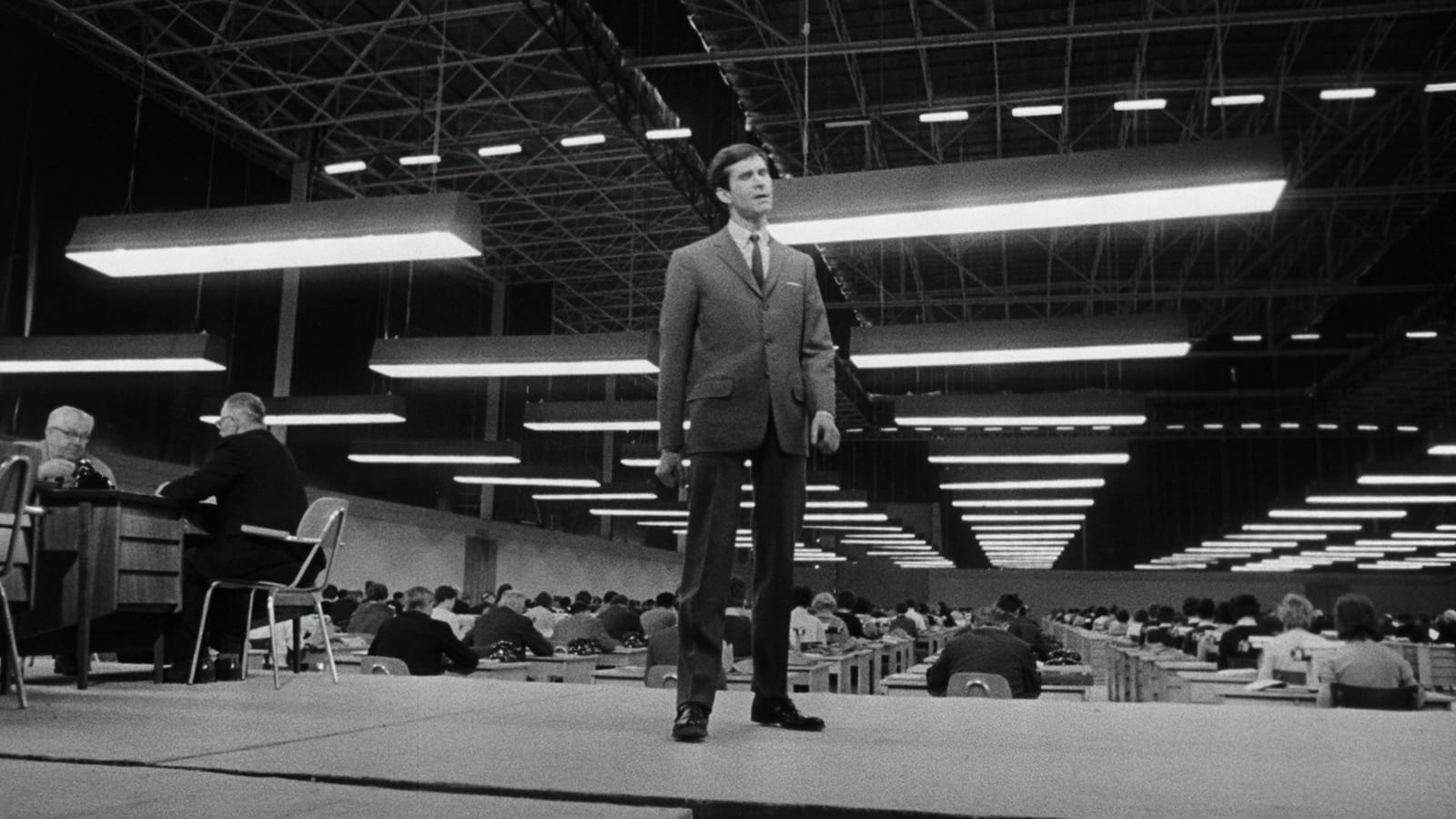
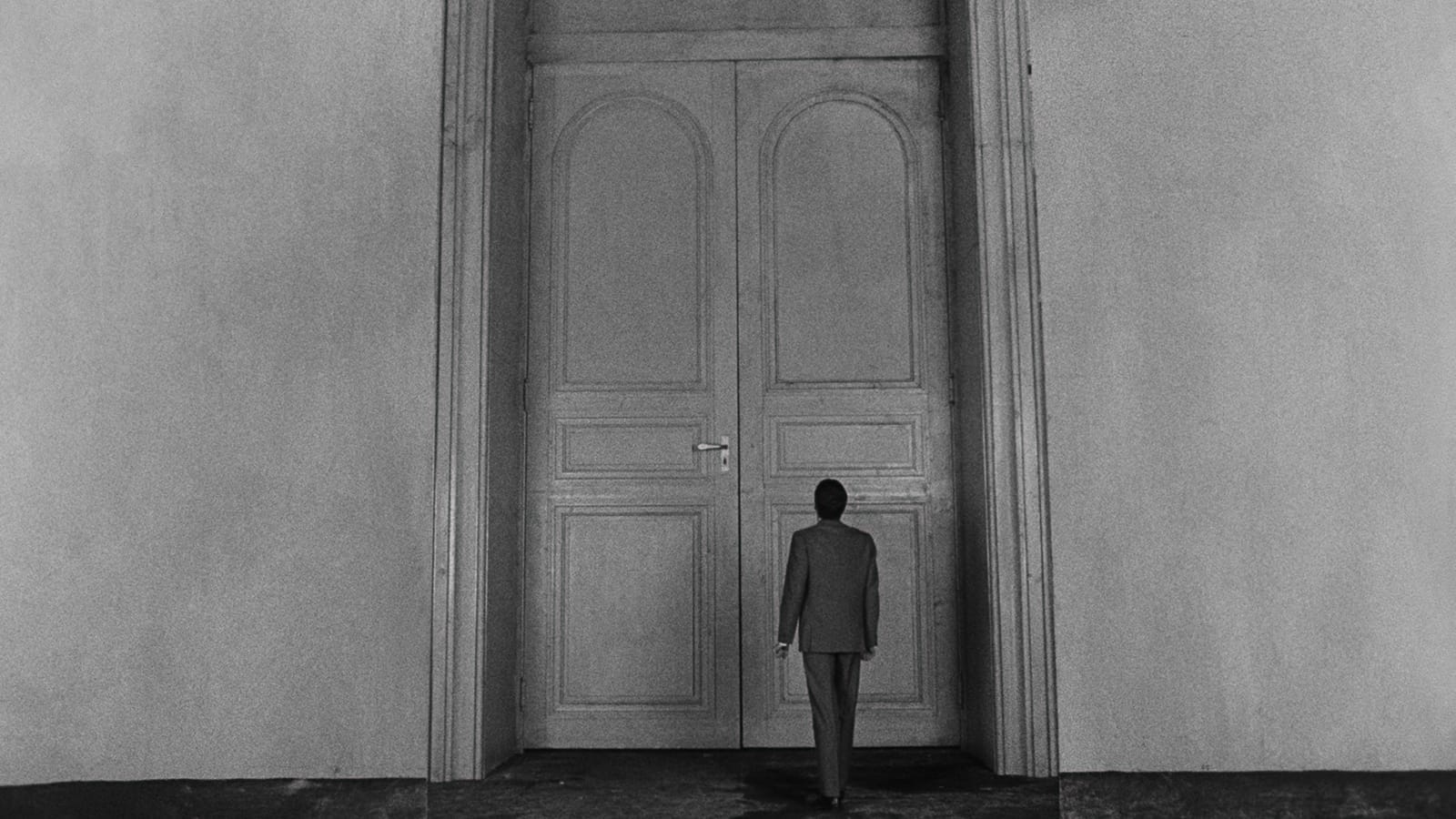
This might just be my favourite Orson Welles movie. At least, it’s the one that I think about the most. Given the point in Welles’s career where it was made, The Trial feels like you’re undergoing a nightmare only unfettered bureaucracy stirs up. Everything about this movie is disorienting, but it’s also essential towards the feeling that Welles wishes to conjure from his audience. Everything is decided by a bureaucracy, to the point where questioning a flaw in the system is futile. Ordinary settings are heightened to such a level where you don’t know who to trust anymore, especially if people are waiting to sell you out. Just the stuff of nightmares, really – the kind that gets under your skin because it’s so easy to sense that this is all still happening in many other forms now.
The Complete Day-by-Day Log
First time watches are denoted with bold text. Scores are on a ½ to ✯✯✯✯✯ basis.
Friday
The Invite (2026, Olivia Wilde) - ✯✯✯✯½
My Father Is Coming (1991, Monika Treut) - ✯✯✯✯
Full Contact (1992, Ringo Lam) - ✯✯✯✯✯
Saturday
Door II: Tokyo Diary (1991, Banmei Takahashi) - ✯✯✯½
Propeller One-Way Night Coach (2026, John Travolta) - ✯✯
La Maison des bois (1971, Maurice Pialat) - ✯✯✯✯✯
The Hole (2009, Joe Dante) - ✯✯✯½
Sunday
Macbeth (1948, Orson Welles) - ✯✯✯✯½
Ratatouille (2007, Brad Bird) - ✯✯✯✯✯
Didn’t Do It For Love (1997, Monika Treut) - ✯✯✯½
Enemies, a Love Story (1989, Paul Mazursky) - ✯✯✯½
Lee Cronin’s The Mummy (2026, Lee Cronin) - ✯✯
Monday
Door III (1996, Kiyoshi Kurosawa) - ✯✯✯½
Dirty Harry (1971, Don Siegel) - ✯✯✯✯✯
Wasteman (2025, Cal McCau) - ✯✯✯½
Forelock (2025, Caleb Alexander Smith) - ✯✯✯✯
Citizen Vigilante (2026, Uwe Boll) - ½
Tuesday
Trouble in Paradise (1932, Ernst Lubitsch) - ✯✯✯✯✯
Minions & Monsters (2026, Pierre Coffin) - ✯✯✯½
Salaam Bombay! (1988, Mira Nair) - ✯✯✯✯✯, watched on 35mm
Mimic (1997, Guillermo del Toro) - ✯✯✯½
Wednesday
To Die For (1995, Gus Van Sant) - ✯✯✯✯✯
The Return (2024, Uberto Pasolini) - ✯✯✯
The Blue Planet (1982, Franco Piavoli) - ✯✯✯✯½
The Trial (1962, Orson Welles) - ✯✯✯✯✯
Thursday
Comanche Station (1960, Budd Boetticher) - ✯✯✯✯✯
Bringing Out the Dead (1999, Martin Scorsese) - ✯✯✯✯✯
Evil Dead Burn (2026, Sébastien Vaniček) - ✯✯✯
Tenet (2020, Christopher Nolan) - ✯✯✯½, watched on 70mm
For real time updates, please follow me on Letterboxd here.