


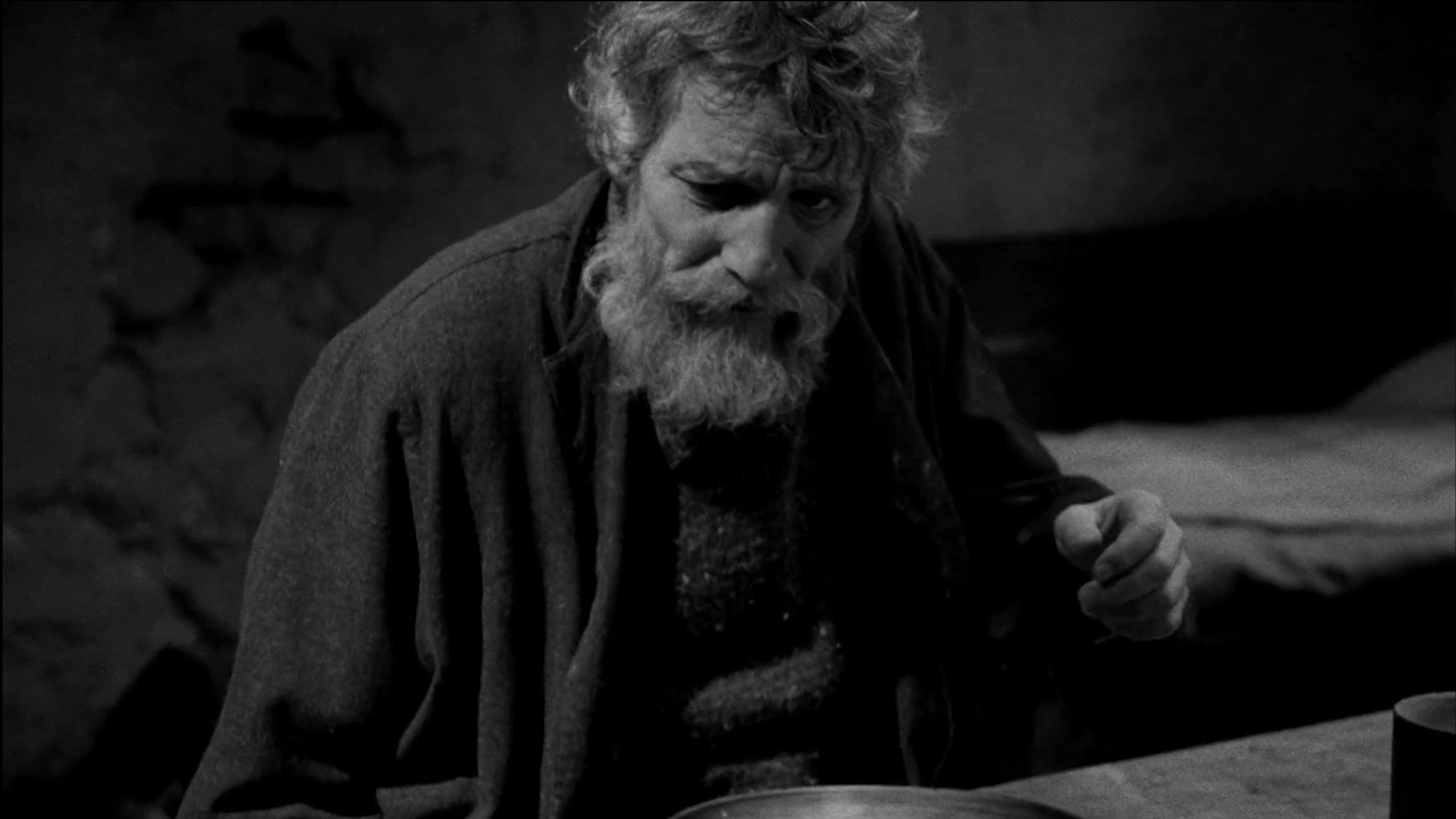
With how last year started with us losing the great David Lynch, it just so happened we lost yet another one of cinema’s true titans in the great Béla Tarr. I’ve shared this on social media already, but I have a memory of having been inside a room together with Béla Tarr from my first year at TIFF as a member of the press. It was a surreal experience, given that Tarr has always been a filmmaker whom I had nothing but great admiration for all my life. He had played a vital part in shaping how I had perceived cinema, let alone what it was capable of. And to say we lost a giant is an understatement, we lost someone who really redefined cinema as we know it.
Without further ado, these are Friday’s Five Films. If you like what you’re seeing here, remember to subscribe for a whole lot more.
#1: An Aria on Gazes (1992, Hisayasu Satô)
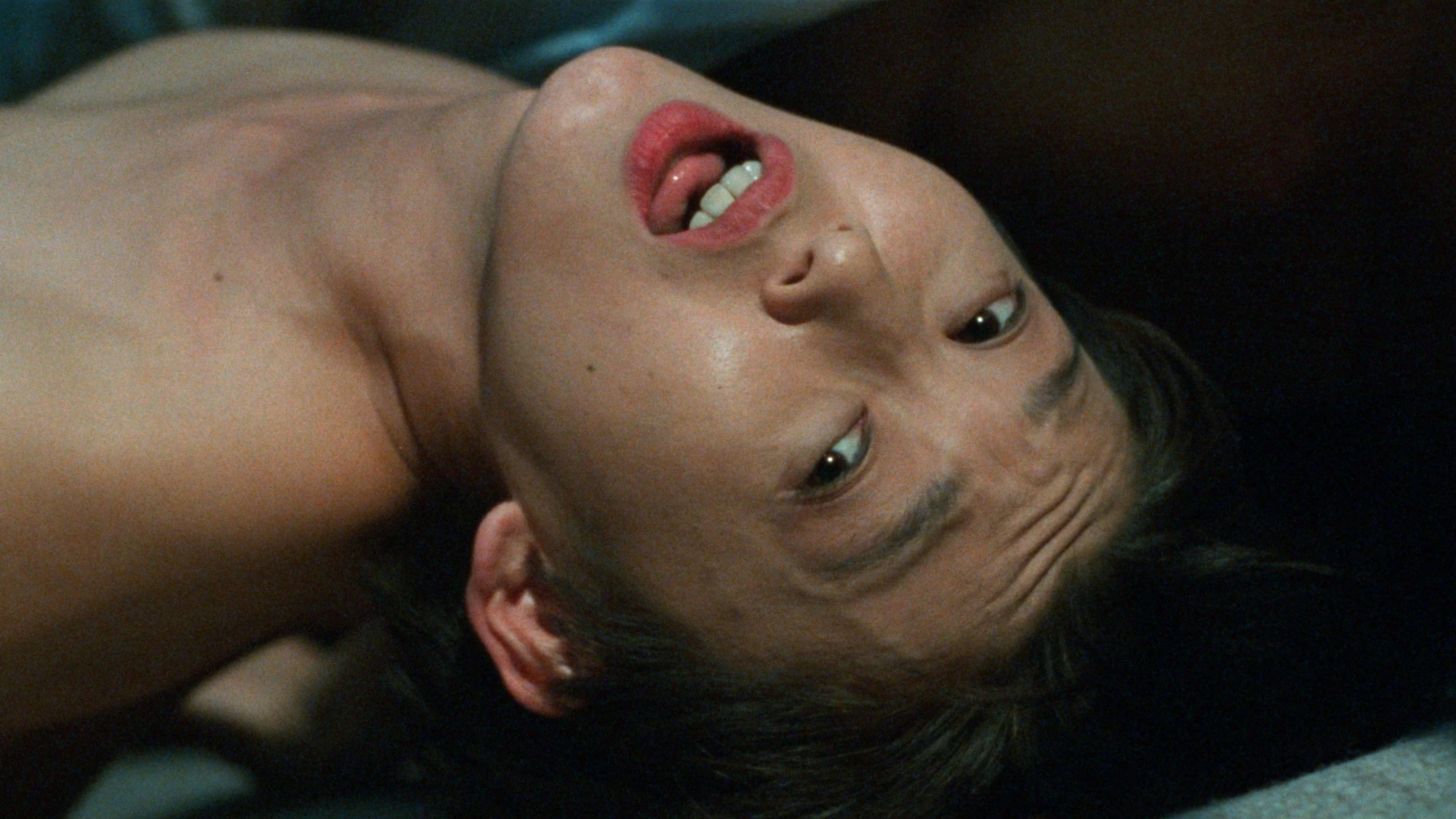
There’s a cameo from none other than Issei Sagawa in this film, and I firmly can say that’s one moment that absolutely should not have happened. Yet, there’s no denying that Hisayasu Satô is someone who knows how to tap into the most uncomfortable bones in your body with his pioneering of pinku cinema. But that’s also why I find Satô so fascinating, because he knows that he’s a filmmaker who could easily be classified as being a porno filmmaker. Instead, he’s tapping into another sensibility that really allows us to engage with what we believe is stimulating, and it’s truly something else.
#2: The Asthenic Syndrome (1989, Kira Muratova)
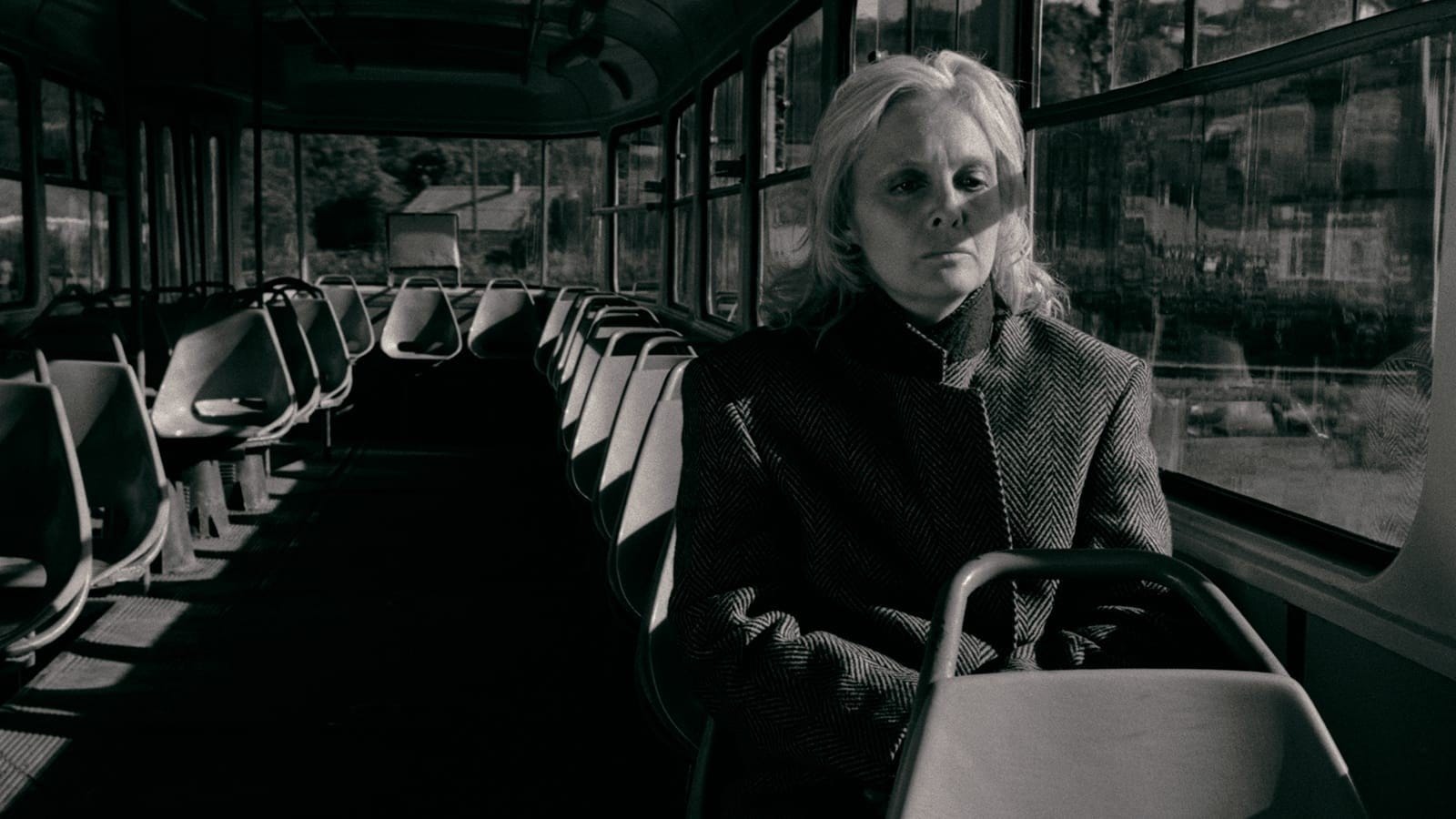
In under a week, I’d already found a new favourite discovery of the year. Kira Muratova has been a filmmaker I’d wanted to explore for a very long time, but The Asthenic Syndrome might be the push that I need. I remember thinking to myself that every minute of this film was about to be very exhausting, but there’s a reveal midway through that only made me realize what Muratova had up her sleeve. And it’s a brilliant reveal at that, because it encapsulates a mindset of an entire population at the fall of the Soviet Union. A masterpiece, maybe.
#3: Dead Man (1995, Jim Jarmusch)
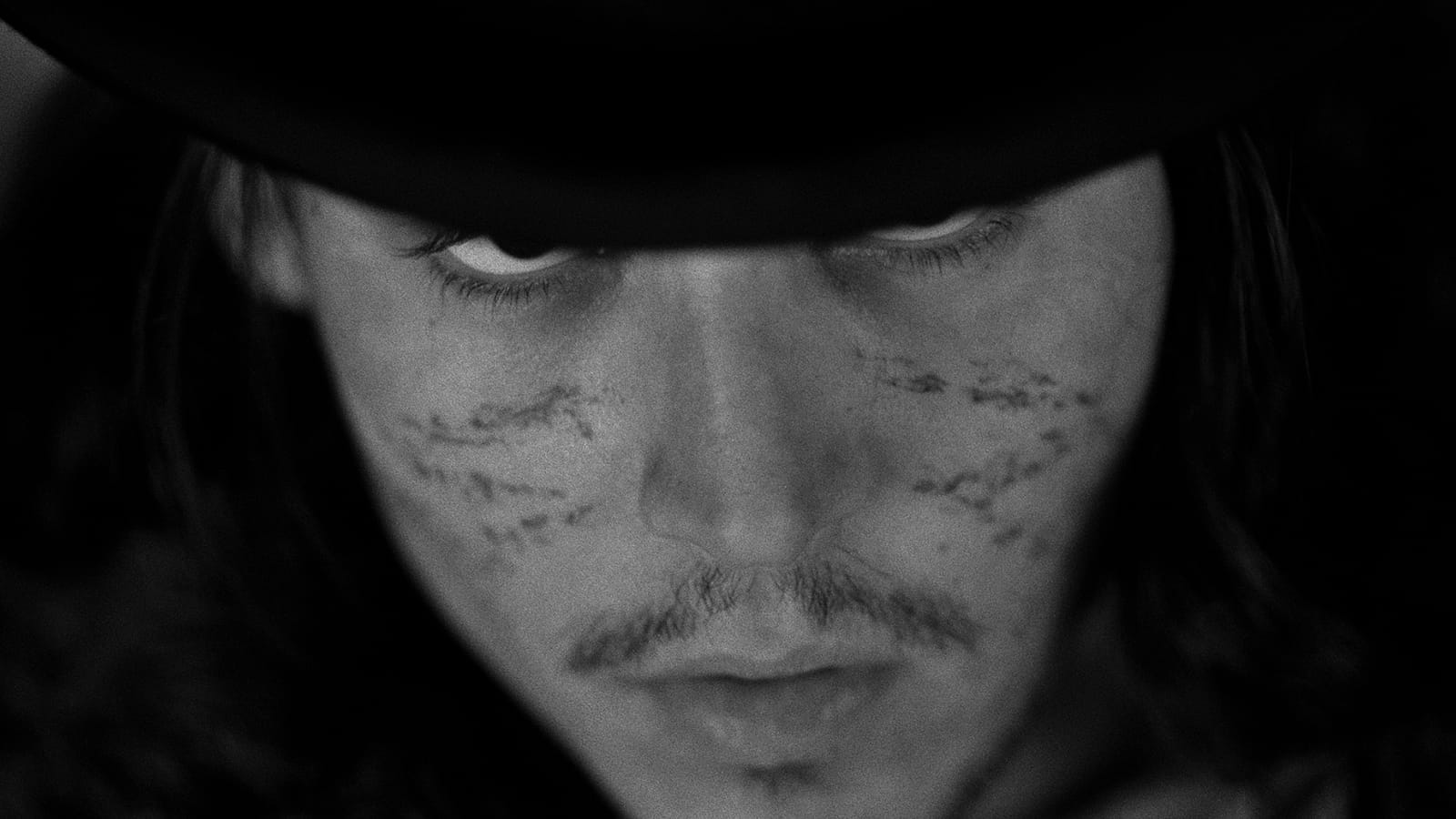
Jim Jarmusch is one of my favourite filmmakers, and Dead Man is one of my favourites in his impenetrable body of work. I say that because it’s a movie with the aesthetic of a classic western, but deconstructing that colonialist narrative they have perpetuated on the screen through its history. It’s the best Depp film in my eyes at least, but he’s perfectly cast as someone who has naively believed in these histories despite an entire account from Native Americans who know the truth. This film is one that belongs to Gary Farmer, in my eyes.
#4: Three Colors: Red (1994, Krzysztof Kieślowski)
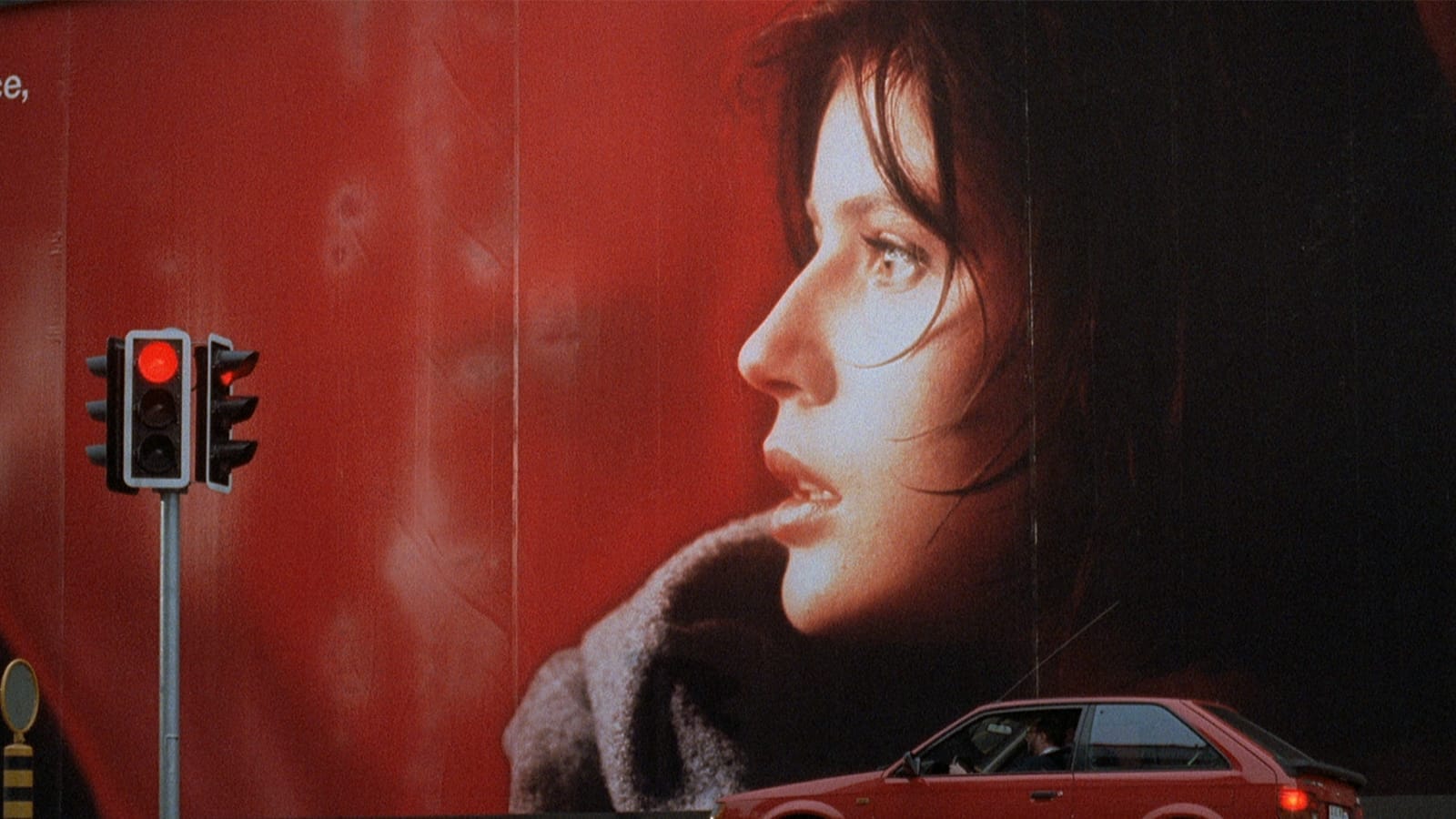
Of the three films that comprise Krzysztof Kieślowski’s Three Colors trilogy, this one is my favourite. It’s my favourite because I think it’s the most visually lush, but it’s also the one that leaves you with the most to chew on. This is a movie all about fraternity, given that it’s all about how people are innately connected despite having so little in common. Though this is also a doorway for Kieślowski to unravel something more complicated in its innocence, and I think that’s where it’s at its most alluring.
#5: The Turin Horse (2011, Béla Tarr and Ágnes Hranitzky)
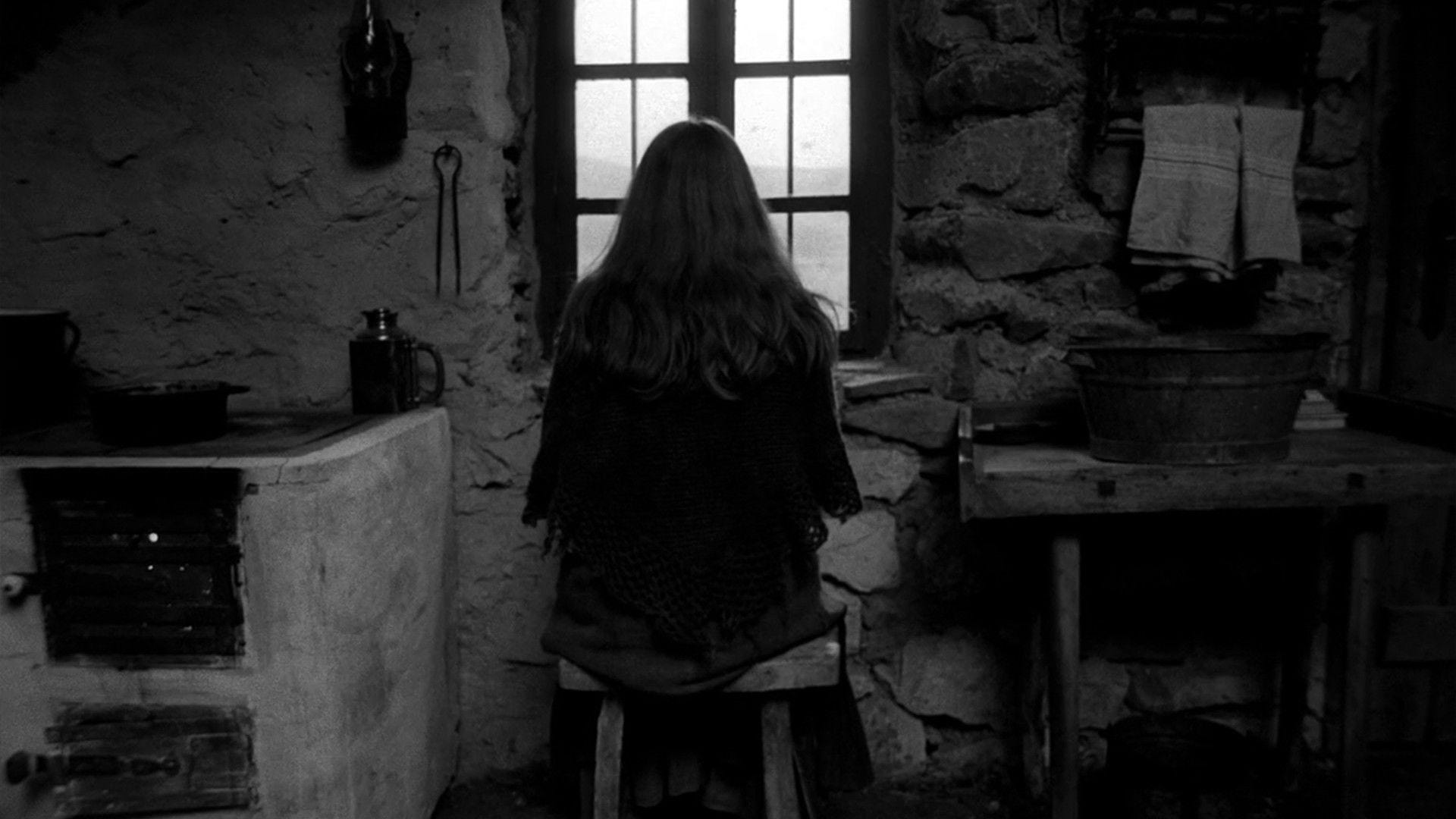
Tarr had said that this would be his final film. And I think that you can sense why he would be stopping with The Turin Horse, because of the way that the world has moved today. Every minute of this movie feels distinctly apocalyptic, but I just think that’s also where it’s at its most beautiful. And at the same time, at its most heartbreaking. That this ended up his swan song just feels a bit poetic for a filmmaker of his stature.
The Complete Day-by-Day Log
First time watches are denoted with bold text. Scores are on a ½ to ✯✯✯✯✯ basis.
Friday
Seeding of a Ghost (1983, Yang Chuan) - ✯✯✯✯½
You Can Count on Me (2000, Kenneth Lonergan) - ✯✯✯✯✯
Flowing (1956, Mikio Naruse) - ✯✯✯✯, watched on 35mm
Dead Man (1995, Jim Jarmusch) - ✯✯✯✯✯
Saturday
Baby Assassins: Nice Days (2024, Yugo Sakamoto) - ✯✯✯✯½
The Asthenic Syndrome (1989, Kira Muratova) - ✯✯✯✯✯
Lightning (1952, Mikio Naruse) - ✯✯✯✯✯, watched on 35mm
Ga-ga: Glory to the Heroes (1986, Piotr Szulkin) - ✯✯✯✯½
Sunday
The Last Circus (2010, Álex de la Iglesia) - ✯✯✯
Rushmore (1998, Wes Anderson) - ✯✯✯✯✯
Beauty and the Beast (1946, Jean Cocteau) - ✯✯✯✯✯
A Wanderer’s Notebook (1962, Mikio Naruse) - ✯✯✯✯, watched on 35mm
Avengement (2019, Jesse V. Johnson) - ✯✯✯✯
Monday
Bat Without Wings (1980, Chor Yuen) - ✯✯✯½
The Sword and the Dragon (1956, Aleksandr Ptushko) - ✯✯✯½
Jigarthanda DoubleX (2023, Karthik Subbaraj) - ✯✯✯✯½
Zodiac Killer Project (2025, Charlie Shackleton) - ✯✯✯
Zodiac (2007, David Fincher) - ✯✯✯✯✯
Tuesday
Timecop (1994, Peter Hyams) - ✯✯✯½
Werckmeister Harmonies (2000, Béla Tarr and Ágnes Hranitzky) - ✯✯✯✯✯
Three Colors: Red (1994, Krzysztof Kieślowski) - ✯✯✯✯✯, watched on 35mm
Bullet in the Head (1990, John Woo) - ✯✯✯✯✯
Wednesday
A Chinese Ghost Story (1987, Tony Ching) - ✯✯✯✯
The Turin Horse (2011, Béla Tarr and Ágnes Hranitzky) - ✯✯✯✯✯
28 Years Later: The Bone Temple (2026, Nia DaCosta) - ✯✯✯½
A Chinese Ghost Story II (1990, Tony Ching) - ✯✯✯✯
Thursday
An Aria on Gazes (1992, Hisayasu Satô) - ✯✯✯✯✯
Fargo (1996, Joel and Ethan Coen) - ✯✯✯✯✯
Our Time (2018, Carlos Reygadas) - ✯✯✯✯✯
A Chinese Ghost Story III (1991, Tony Ching) - ✯✯✯✯
For real time updates, please follow me on Letterboxd here.