


Not exactly one of my busiest weeks. I think there’s only so much that I can do while I’m still job hunting, but the fact this all happened so soon after the release of Park Chan-wook’s brilliant No Other Choice is what gets me most. Because the life that Lee Byung-hun leads in there is not something that I’d thought I’d see for a while (at least, minus the murdering of other applicants). Still, I think as long as there’s great cinema, I have a reason to have hope in this world, right?
Without further ado, these are Friday’s Five Films. If you like what you’re seeing here, remember to subscribe for a whole lot more.
#1: The Connection (1961, Shirley Clarke)
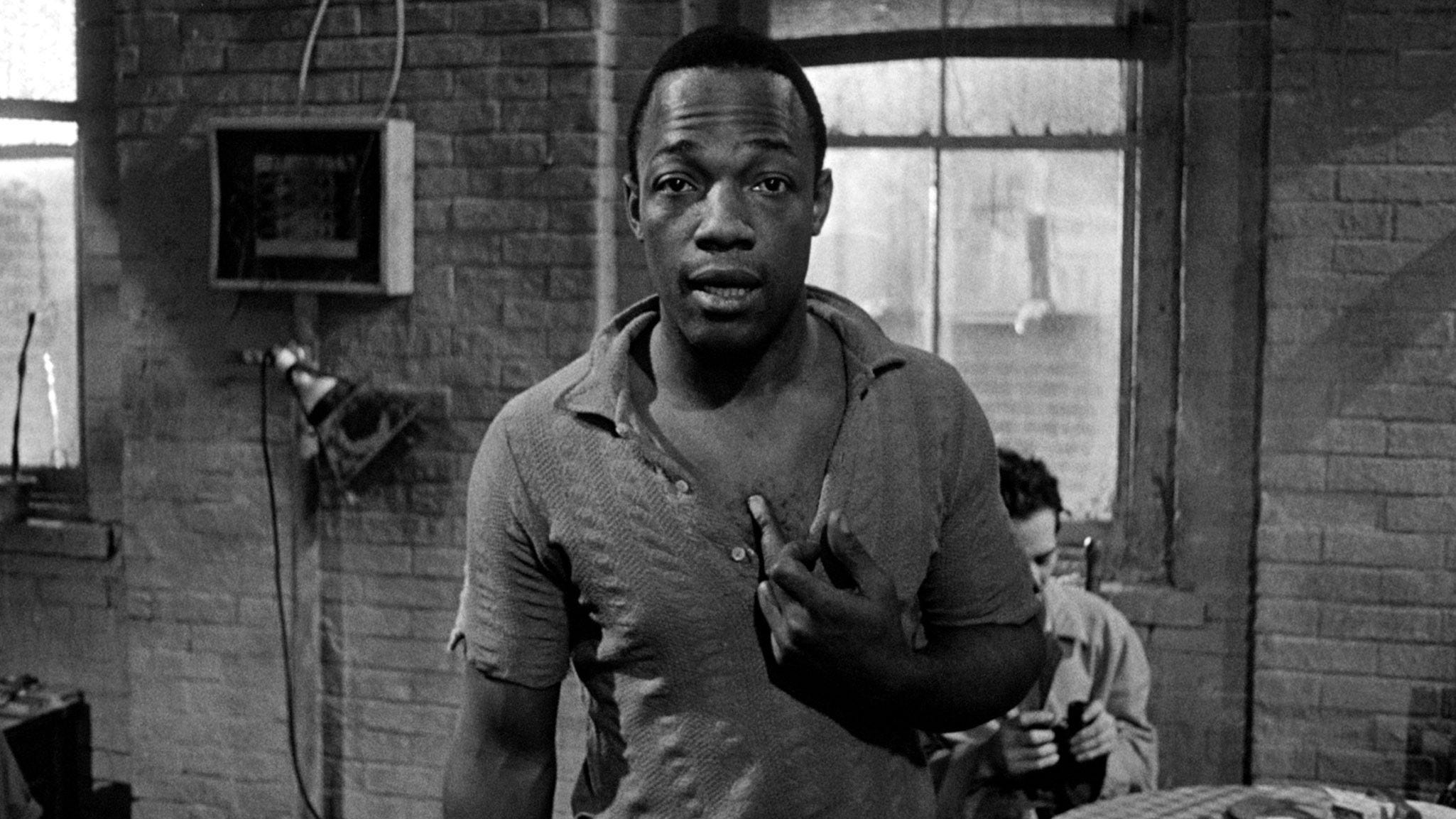
I first saw this movie maybe around eight years ago, and I don’t think I fully had a grasp of what it was that I was watching. Now, I find myself stunned by the sort of craft that Shirley Clarke puts on display: one that feels directly confrontational without removing its theatrical roots. And it’s all very disorienting, to the point you would never have guessed something like this originated on the stage. Just absolutely wonderful.
#2: Dirty Harry (1971, Don Siegel)
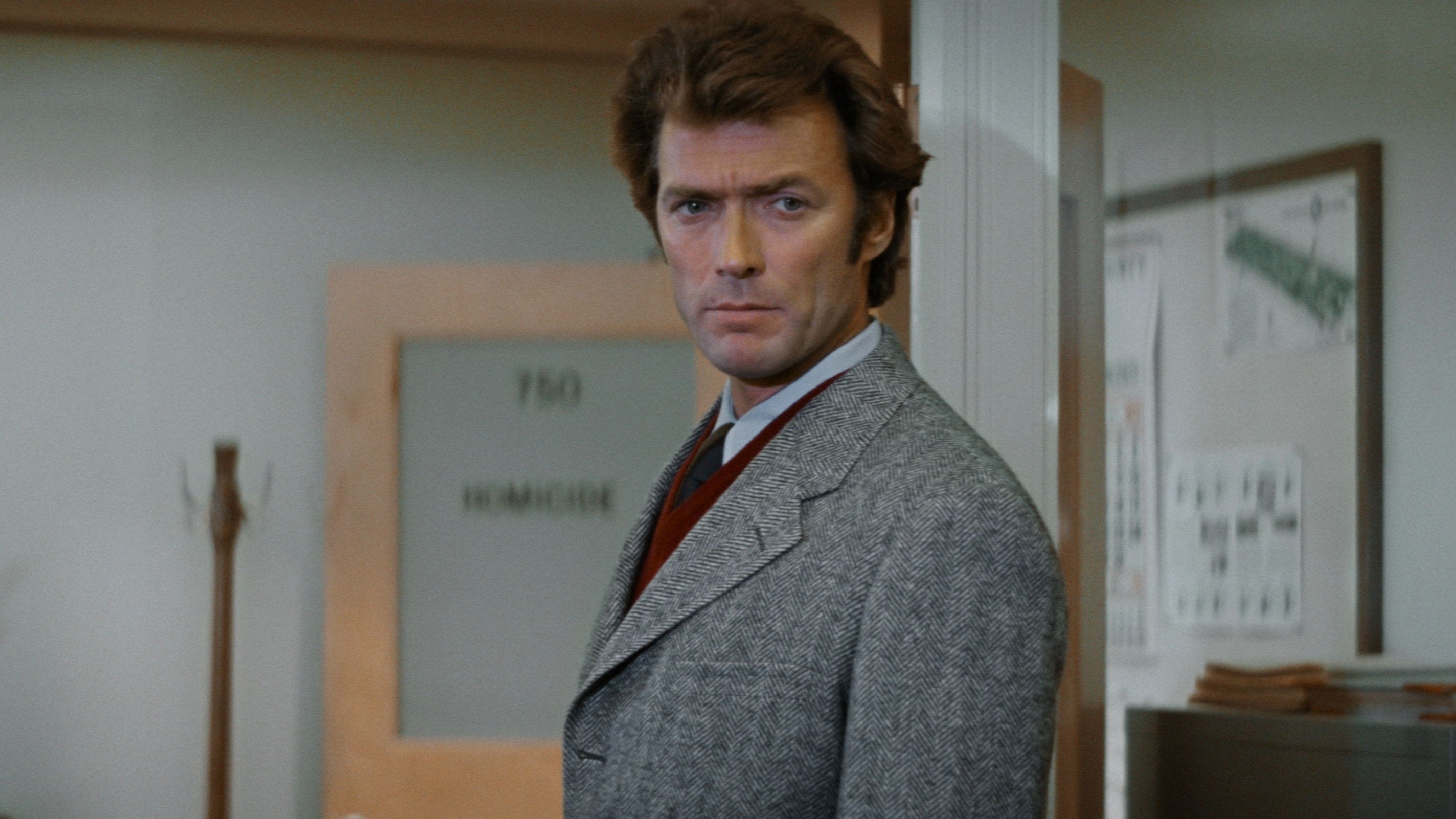
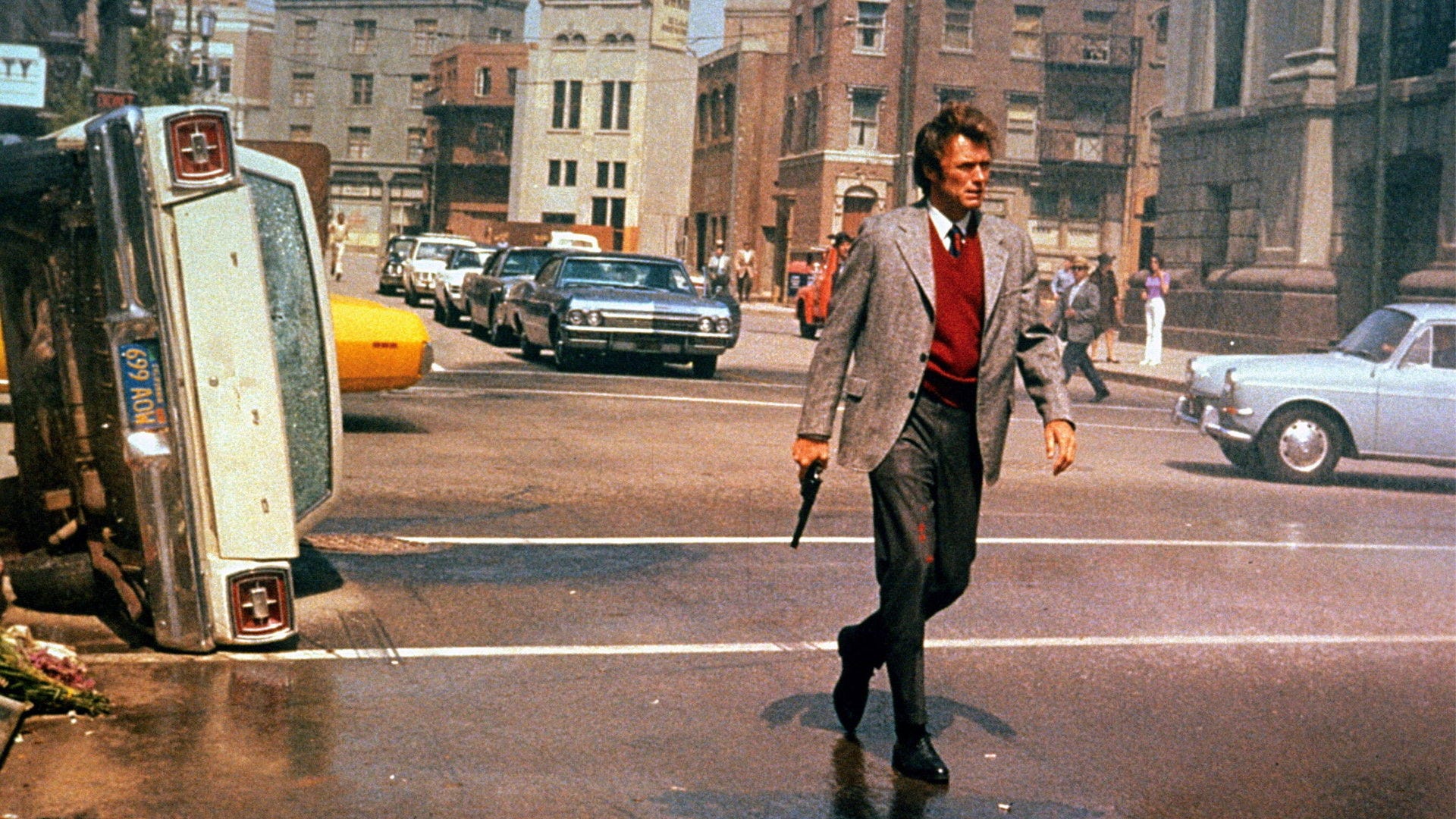
A dangerous movie? Sure, that might be the first thing you can say to describe a movie like Dirty Harry. Yet it’s no less entertaining an action piece as one would hope for it to be, especially given what Harry Callahan represents within the police force in the United States. I don’t know how much I buy into the idea that Dirty Harry itself is a movie with fascist tendencies, but that is what makes its titular antihero all the more alluring: it’s a film all about how that loss of faith in the justice system would boil to something more violent over time.
#3: Fire Will Come (2019, Oliver Laxe)
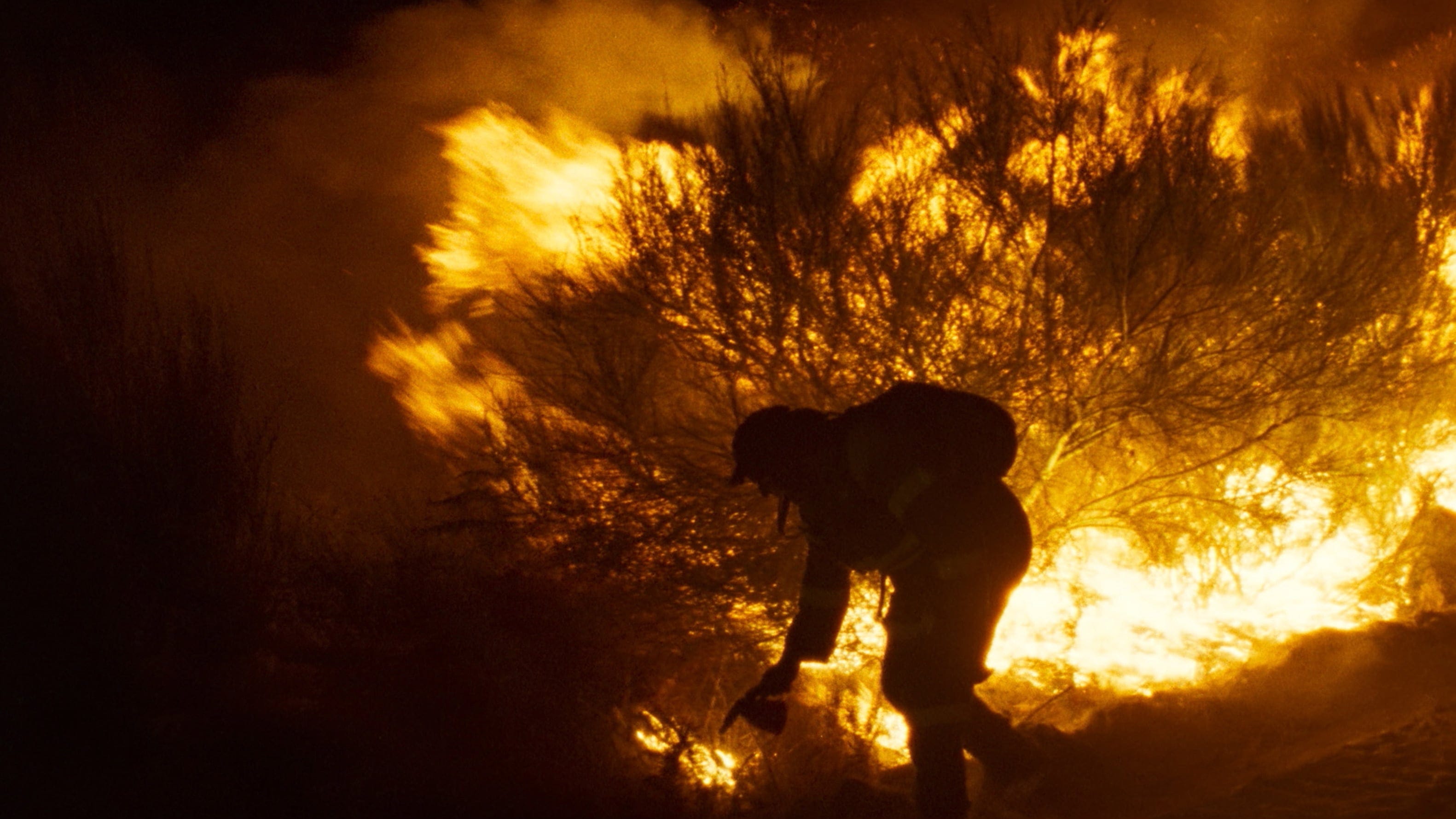
I first came into contact with Oliver Laxe through his most recent film, Sirāt (which is excellent). Then I think after watching Fire Will Come, I found myself ready to embrace Laxe for his meditative portraits of life unfolding in relation to nature, all to suppress a violent tendency underneath. And those fire scenes are truly something to behold. Just some of the most beautiful images that I think the screen could ever provide.
#4: The Outlaw Josey Wales (1976, Clint Eastwood)
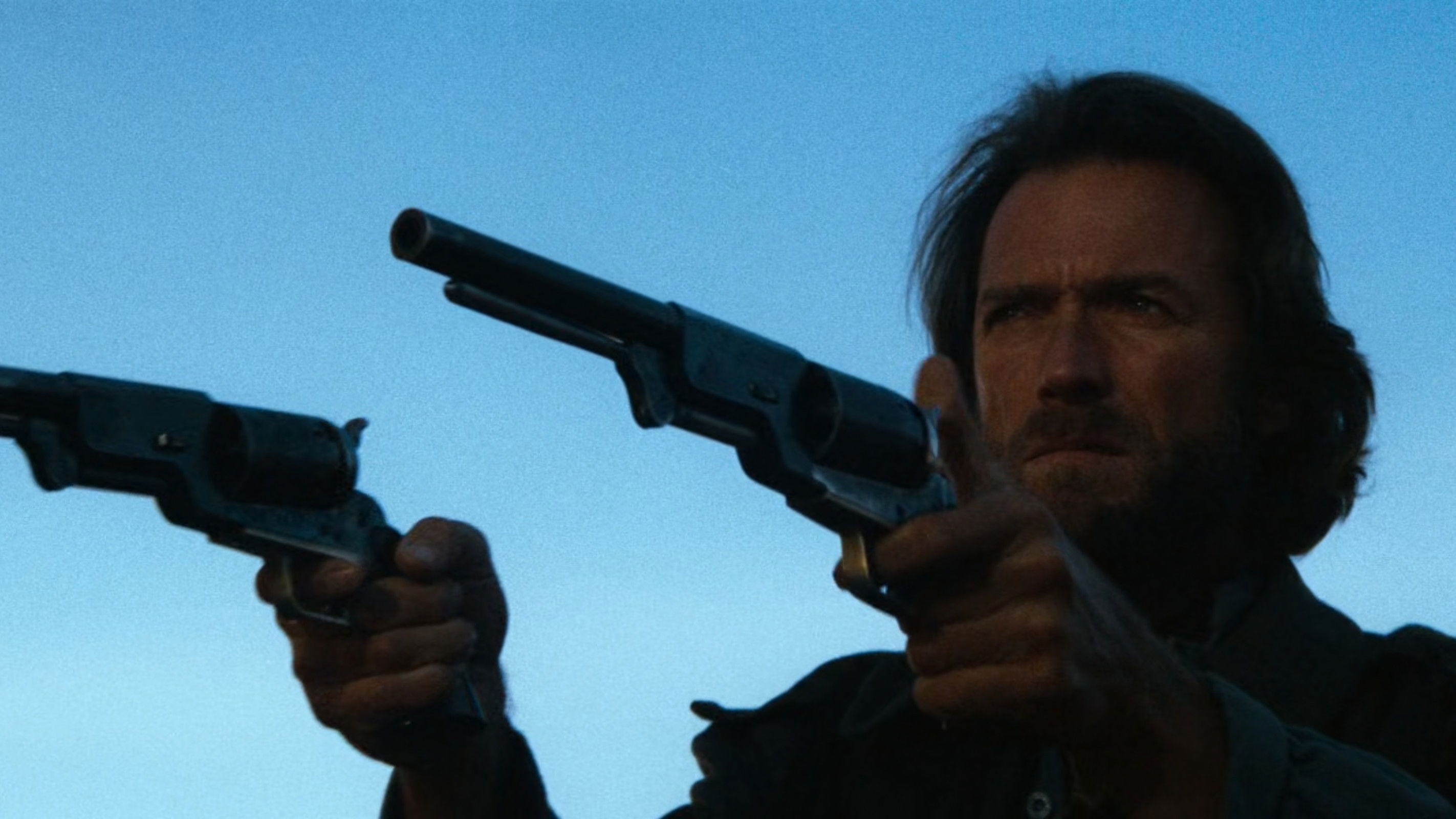
Considering Clint Eastwood’s own politics, I still find this movie particularly fascinating, especially with the origins of its novel. Given that The Outlaw Josey Wales’s source material was written by none other than Asa Earl Carter, the fact that Eastwood brought something all about community banding together against an unjust system is mind-blowing to me. Yet these contradictions have always been integral towards how Eastwood saw the United States in his work, and nonetheless, it’s one of the best westerns ever made.
#5: Satantango (1994, Béla Tarr)
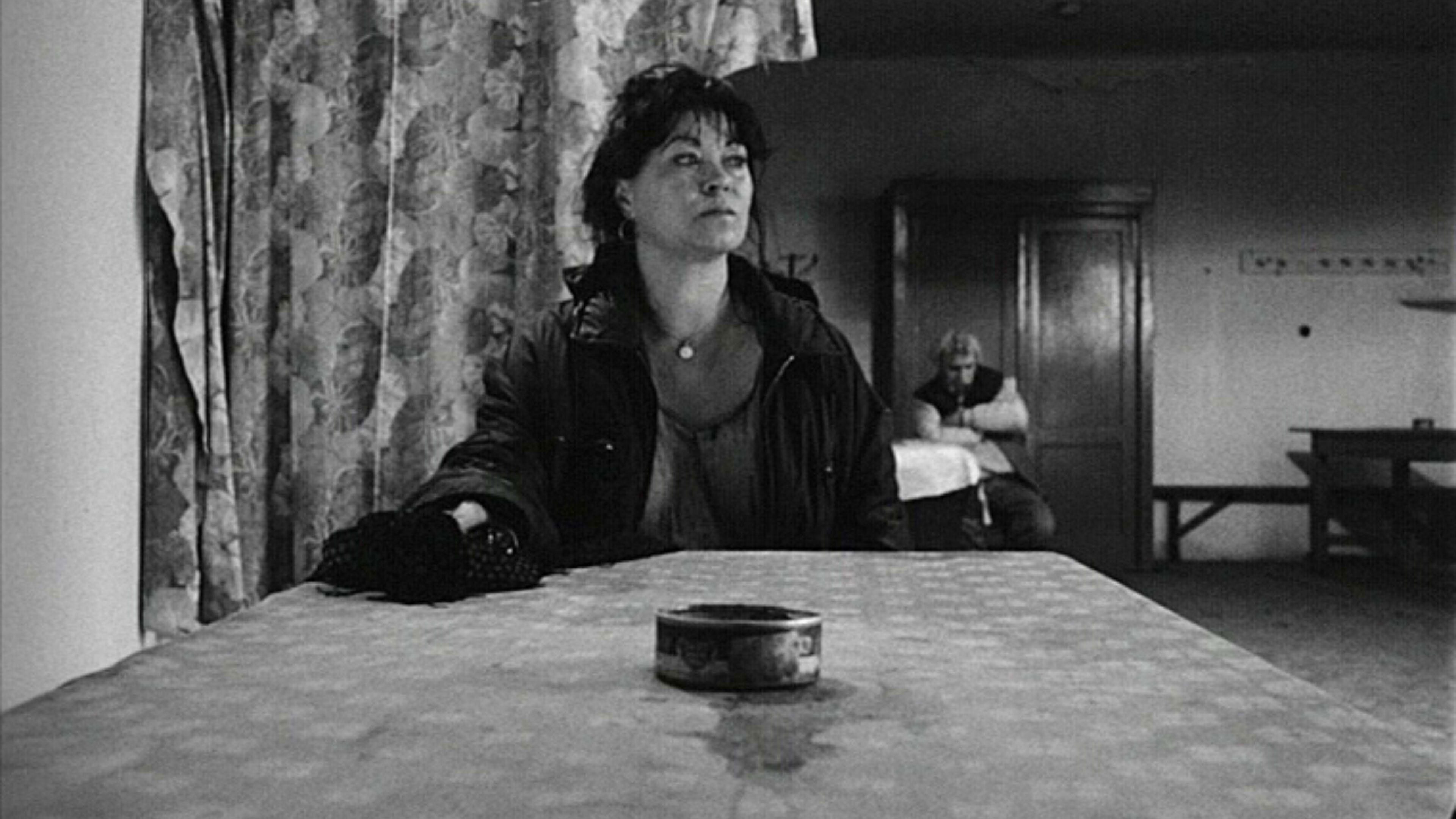
Seven hours long; with two breaks. I figured that this revisit of Satantango would be inevitable after Béla Tarr’s passing, even if I knew that I would be spending a little over seven hours with it. Yet it’s the most hypnotic seven hours you can imagine possible, especially when Tarr’s work is built on some of the most beautiful long takes in cinema history. And they aren’t just long takes that imply an artist wanting to show off: they’re long takes that hint at how an artist wants his audience to witness the manners that the world crumbles down.
The Complete Day-by-Day Log
First time watches are denoted with bold text. Scores are on a ½ to ✯✯✯✯✯ basis.
Friday
Marry My Dead Body (2022, Cheng Wei-hao) - ✯✯✯½
Under the Hanging Tree (2023, Perivi Katjavivi) - ✯✯✯½
Photocopier (2021, Wregas Bhanuteja) - ✯✯½
Saturday
Grave Torture (2024, Joko Anwar) - ✯✯✯
Jean de Florette (1986, Claude Berri) - ✯✯✯✯✯
Father Mother Sister Brother (2025, Jim Jarmusch) - ✯✯✯
Hideko the Bus Conductress (1941, Mikio Naruse) - ✯✯✯✯, watched on 35mm
The Whole Family Works (1939, Mikio Naruse) - ✯✯½, watched on 35mm
The Killer Elite (1975, Sam Peckinpah) - ✯✯✯½
Sunday
Maniac Cop (1988, William Lustig) - ✯✯✯✯
The Plot Against Harry (1971, Michael Roemer) - ✯✯✯✯
Manon of the Spring (1986, Claude Berri) - ✯✯✯✯✯
Our Land, Our Freedom (2023, Meena Nanji and Zippy Kimundu) - ✯✯✯✯
Sudden Rain (1956, Mikio Naruse) - ✯✯✯✯½, watched on 35mm
Bullet in the Head (1990, John Woo) - ✯✯✯✯✯
Monday
Conan the Barbarian (1982, John Milius) - ✯✯✯½
Satantango (1994, Béla Tarr) - ✯✯✯✯✯
Eyes Wide Shut (1999, Stanley Kubrick) - ✯✯✯✯✯
Tuesday
The Outlaw Josey Wales (1976, Clint Eastwood) - ✯✯✯✯✯
Heartbreak Ridge (1986, Clint Eastwood) - ✯✯✯
Young Detective Dee: Rise of the Sea Dragon (2013, Tsui Hark) - ✯✯✯½
Wednesday
The Connection (1961, Shirley Clarke) - ✯✯✯✯½, watched on 35mm
The Hurt Locker (2008, Kathryn Bigelow) - ✯✯✯
Thursday
Dream Demon (1988, Harley Cokeliss) - ✯✯✯½
Dirty Harry (1971, Don Siegel) - ✯✯✯✯✯
You All Are Captains (2010, Oliver Laxe) - ✯✯, watched on 35mm
Fire Will Come (2019, Oliver Laxe) - ✯✯✯✯½
For real time updates, please follow me on Letterboxd here.
Nice list. Dirty Harry could easily be unwatchable if not for Clint Eastwood. His actions are certainly reprehensible, but he carries so much screen charisma that it’s hard to look away.
Great to see 'Eyes Wide Shut' getting the five-star rating it deserves! Stanley Kubrick's final film remains one of his most misunderstood masterpieces. The way Kubrick meticulously crafted every frame to explore themes of desire, jealousy, and the facades we wear in relationships was extraordinary. It's a film that rewards multiple viewings, revealing new layers each time. Kubrick's perfectionist approach to filmmaking - from '2001: A Space Odyssey' to 'The Shining' and finally 'Eyes Wide Shut' - showed an artist constantly pushing boundaries until the very end.