


And so this begins the final month of the year. Last month wasn’t great, so maybe this one will be better: because I’ve been working on two separate essays about Eyes Wide Shut. One of these will be my “Defining Favourites” piece, and another talks about the quality of its brand new 4K restoration courtesy of Criterion, because it’s simply one of the best home media upgrades I’ve ever seen. Granted, I’ve always been a very big fan of Eyes Wide Shut, but seeing the movie newly restored perhaps made sure that I was going to be coming back to it for a very long time.
Without further ado, these are Friday’s Five Films. If you like what you’re seeing here, remember to subscribe for a whole lot more.
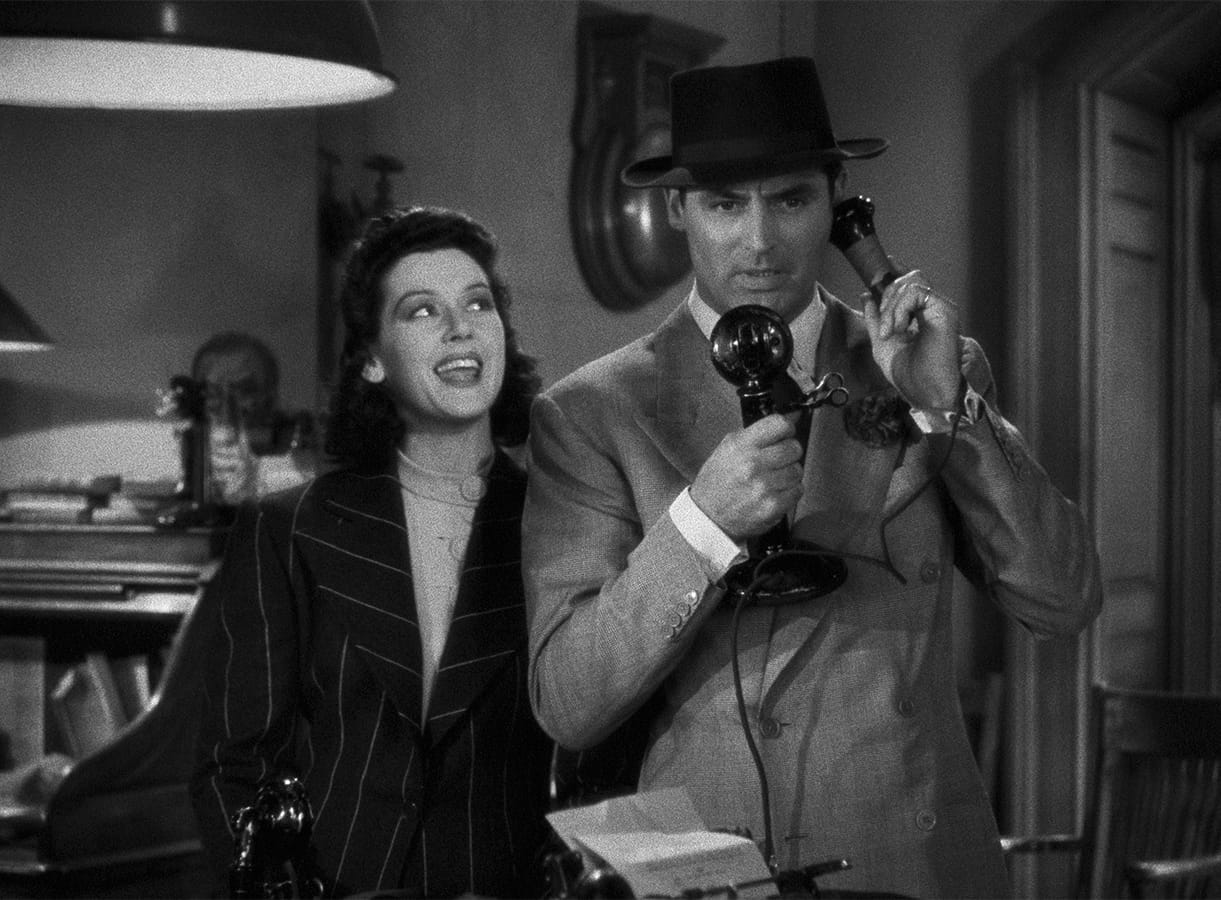
#1: Drug War (2012, Johnnie To)
This was a Johnnie To film that I’ve underrated for quite some time; but perhaps it didn’t help that I was introduced to him with the impression he’s also making heroic bloodshed action movies in the same vein as John Woo. But now that I’ve come back to it with full awareness of his work, you can’t help but watch Drug War as an indictment on the necessity to glamorize the police force. And it’s what popular action cinema has done for so many years. This is where Johnnie To takes the opportunity to look at things differently, with the film’s final action set piece being a particular knockout.
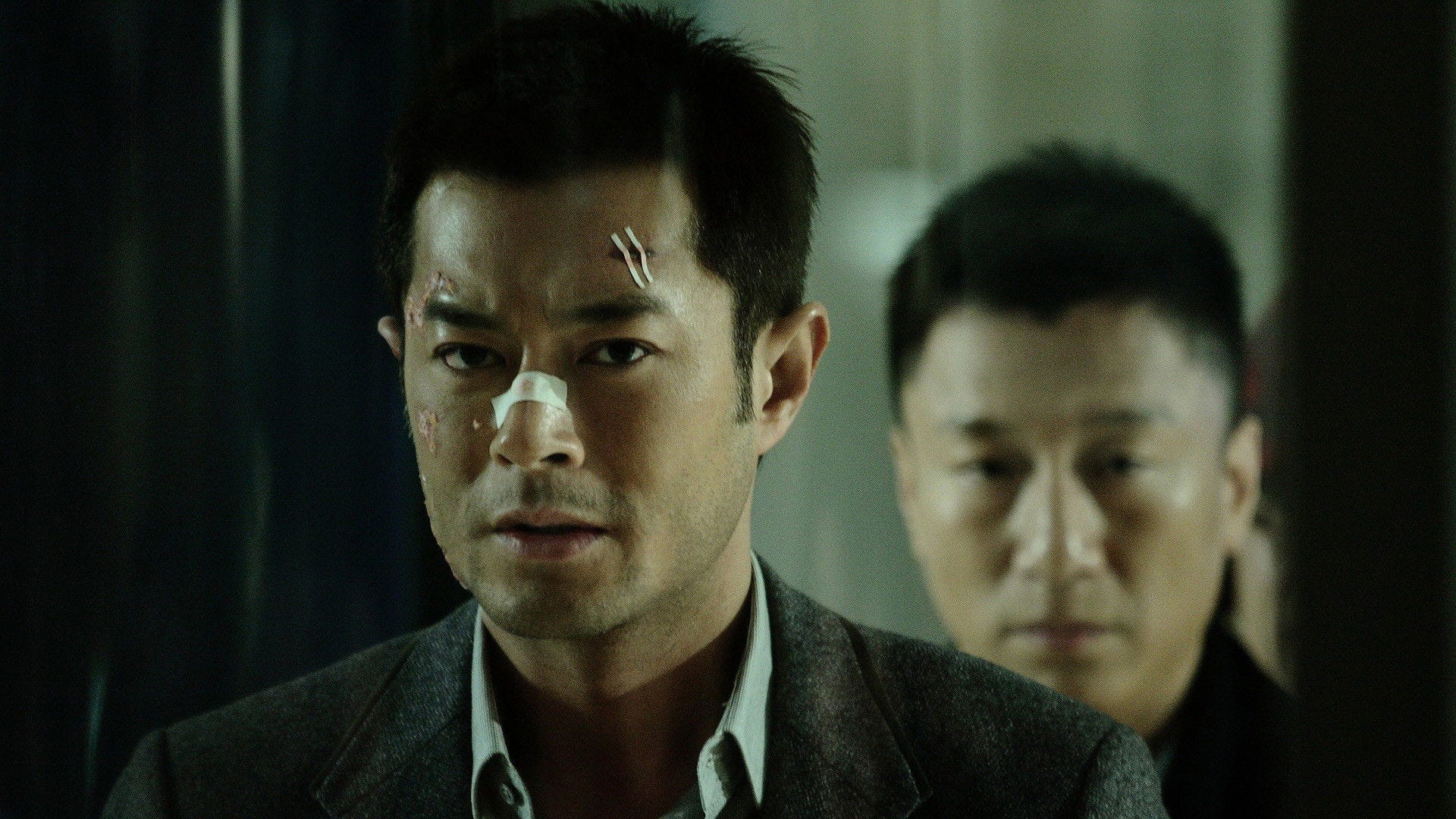
#2: His Girl Friday (1940, Howard Hawks)
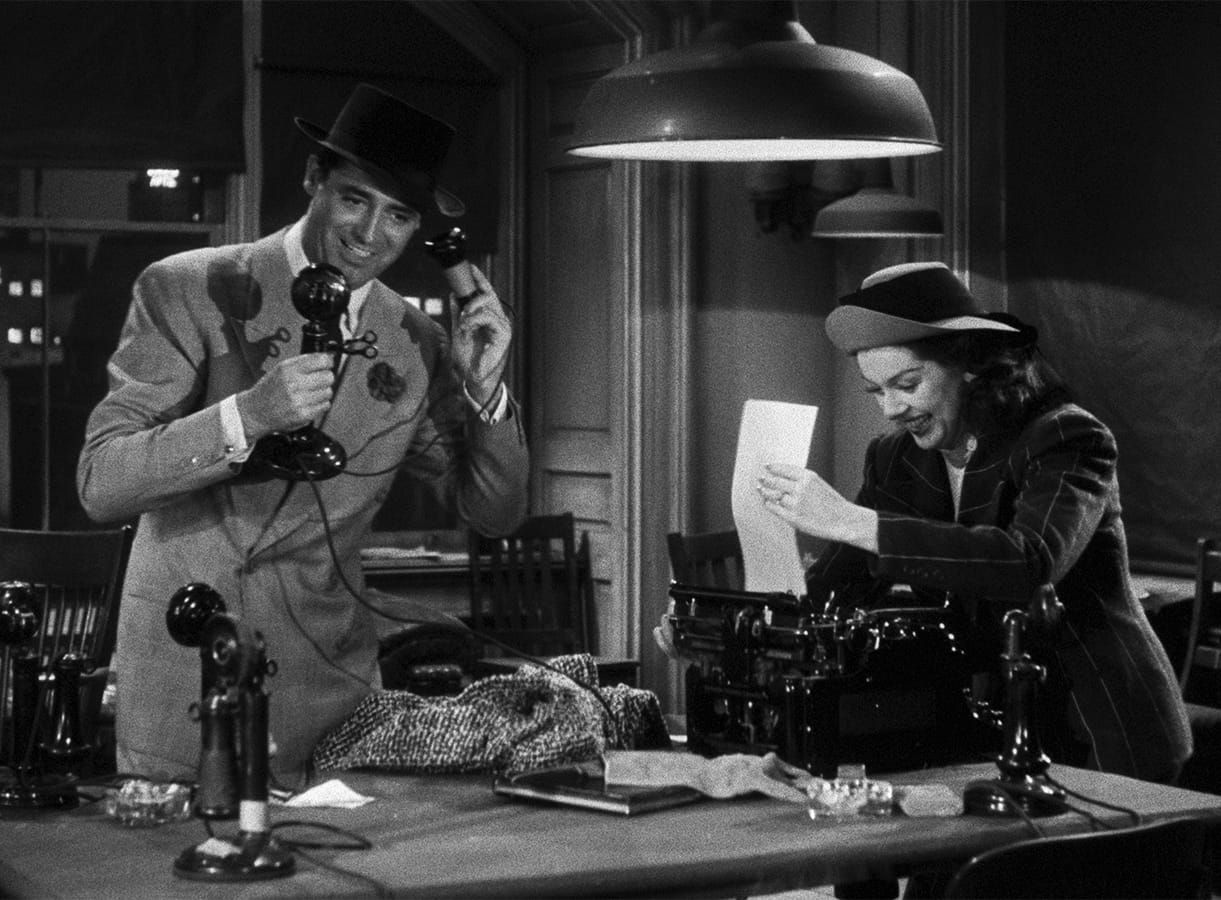
This is a movie that just yaps. It never stops talking, let alone gives you any time to breathe. But that’s also where Howard Hawks made the perfect movie about journalism: you’re working on getting one story out there, a new development comes out, and you have to turn in the piece again with updates. And it’s also where a pitch-perfect romantic comedy is born: His Girl Friday is all about how this world is just relentless from beginning to end, and you can’t even breathe for as long as it keeps you on the move.
#3: Mr. Thank You (1936, Hiroshi Shimizu)
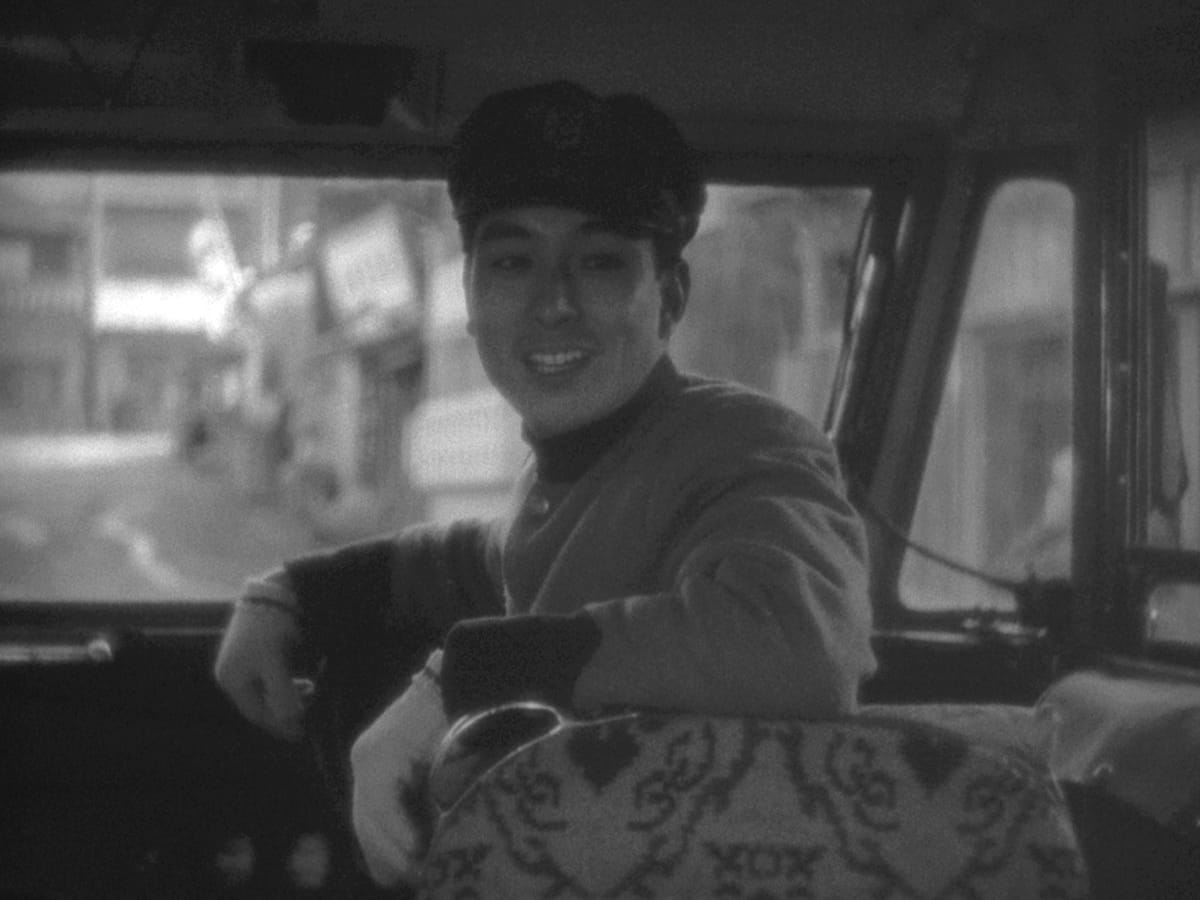
This is a movie that just puts a smile on my face. I don’t say that lightly, but that’s exactly what Arigato-san manages to do, as he’s driving around, yelling “Arigato!” at anyone he meets. And in 76 minutes, it’s him simply interacting with real people, all of whom have their own stories and come from different walks of life. Everything about this movie is kind of just perfect for what it shows about the world we live in, let alone what kind of people we meet as we journey through life. For Arigato-san, a tiny act of good will just comes forth through simply saying “Thank you.”
#4: New Rose Hotel (1998, Abel Ferrara)
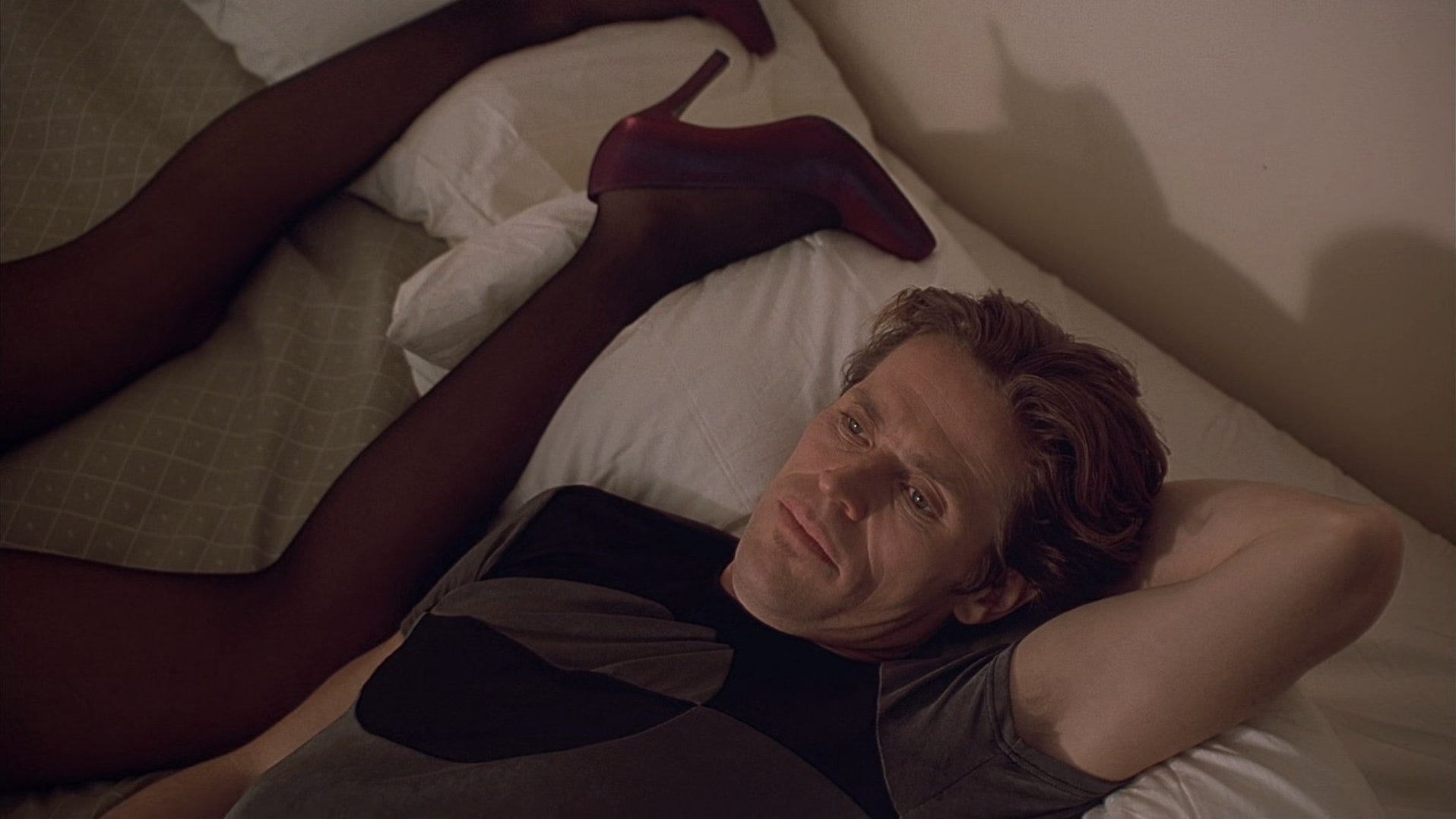
I’d wondered when a Blu-ray release for this one would be coming. I made one Vinegar Syndrome Black Friday purchase due to dwindling funds, so I wanted to make sure that the one pick I got was something that counted. And it’s why I couldn’t be more glad about the fact that I chose to pick up New Rose Hotel, an underrated Abel Ferrara movie that perhaps feels more prescient now. In this age where we’re seeing companies push forth the usage of artificial intelligence, to feeling real love with other human beings, it all feels very much like our own world as we know it. And of course, it’s the billionaires in charge of everything.
#5: When a Woman Ascends the Stairs (1960, Mikio Naruse)

TIFF has started what I believe to be one of the most exciting director-focused retrospectives in recent memory, celebrating the work of the Japanese auteur Mikio Naruse. And I could easily have picked a work like Floating Clouds or Repast for their quiet devastation that they engulf you within. But it was easy enough to settle for When a Woman Ascends the Stairs as it’s his most well-known. That’s not all, but it’s the one film that really gives you a sense of what he’s capable of. For this is a melodrama that ranks along the likes of Douglas Sirk for their revelations about how women work in the world we know. And it’s also just so devastating, to the point that even a smile makes you feel like there’s something being hidden.
The Complete Day-by-Day Log
First time watches are denoted with bold text. Scores are on a ½ to ✯✯✯✯✯ basis.
Friday
Resurrection (2025, Bi Gan) - ✯✯✯✯✯
Floating Clouds (1955, Mikio Naruse) - ✯✯✯✯✯, watched on 35mm
The Bodyguard from Beijing (1994, Corey Yuen) - ✯✯✯✯
Saturday
Él (1955, Luis Buñuel) - ✯✯✯✯✯
Kanchana Sita (1978, Govindan Aravindan) - ✯✯✯✯½
Repast (1951, Mikio Naruse) - ✯✯✯✯✯, watched on 35mm
The Crossing I (2014, John Woo) - ✯✯
The Crossing II (2015, John Woo) - ✯✯
Sunday
New Rose Hotel (1998, Abel Ferrara) - ✯✯✯✯✯
Drug War (2012, Johnnie To) - ✯✯✯✯½
Panic Bodies (1998, Mike Hoolbroom) - ✯✯✯✯, watched on 16mm
Mother (1952, Mikio Naruse) - ✯✯✯✯½, watched on 35mm
City on Fire (1987, Ringo Lam) - ✯✯✯✯✯
Monday
Nightmare Beach (1989, Umberto Lenzi) - ✯✯✯
The World’s End (2013, Edgar Wright) - ✯✯✯✯✯
Cat Chaser (1989, Abel Ferrara) - ✯✯½
Mr. Thank You (1936, Hiroshi Shimizu) - ✯✯✯✯✯
The Virgin President (1968, Graeme Ferguson) - ✯✯, watched on 35mm
Kiss Kiss Bang Bang (2005, Shane Black) - ✯✯✯✯✯, watched on 35mm
Tuesday
New Rose Hotel (1998, Abel Ferrara) - ✯✯✯✯✯
Dangerous Game (1993, Abel Ferrara) - ✯✯✯✯✯
An Education (2009, Lone Scherfig) - ✯✯✯✯½, watched on 35mm
His Girl Friday (1940, Howard Hawks) - ✯✯✯✯✯
Wednesday
Alien from L.A. (1988, Albert Pyun) - ✯✯✯✯
Dogfight (1991, Nancy Savoca) - ✯✯✯✯½
The Killer (1989, John Woo) - ✯✯✯✯✯
Thursday
Eyes Wide Shut (1999, Stanley Kubrick) - ✯✯✯✯✯
Welcome II the Terrordome (1995, Ngozi Onwurah) - ✯✯✯✯½
When a Woman Ascends the Stairs (1960, Mikio Naruse) - ✯✯✯✯✯, watched on 35mm
Blood for Dracula (1974, Paul Morrissey) - ✯✯✯✯½
For real time updates, please follow me on Letterboxd here.
Wow, this article comes at the perfect time, and I'm so interested in how Johnnie To's Drug War specifically manages to deconstruct the glamorisation of police that you so brilliantly describe, especially since I often see this issue in film.