

Defining Favourites: Read My Lips (2001)
This thriller by Jacques Audiard is a lesson not to underestimate what disabled people are capable of.

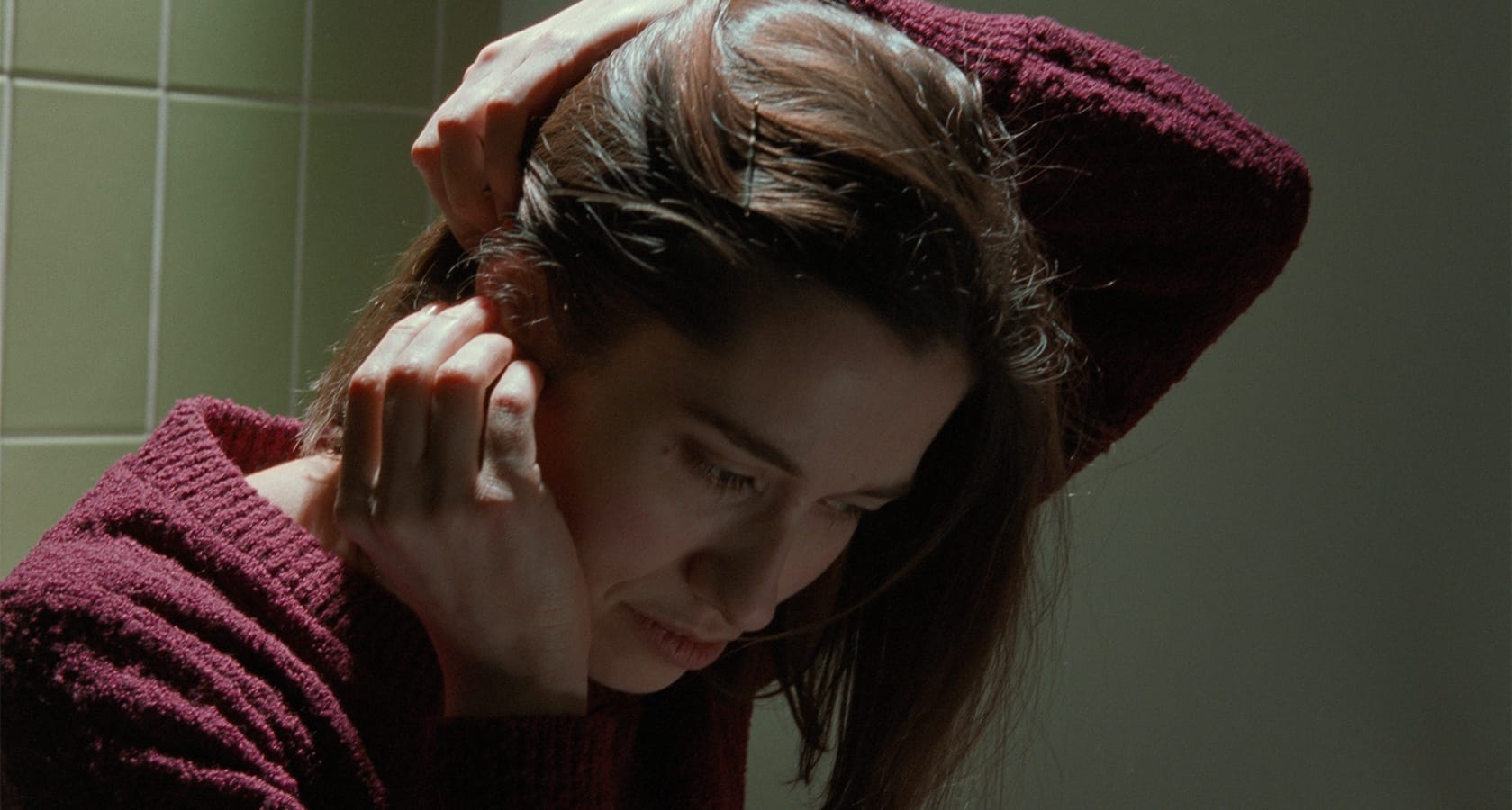
Welcome to my Defining Favourites, a section dedicated to essays about films that I feel confident in calling favourites in some way or another — akin to Roger Ebert’s “Great Movies” reviews. These essays are for paid subscribers, so if you would like to read more beyond the free preview, please consider subscribing.
Directed by Jacques Audiard
Screenplay by Tonino Benacquista, Jacques Audiard
Produced by Jean-Louis Livi, Philippe Carcassonne
Starring Vincent Cassel, Emmanuelle Devos, Olivier Gourmet, Olivia Bonamy, Olivier Perrier, Bernard Alane
Premiere Date: September 10, 2001
Running Time: 119 minutes
Jacques Audiard has a sensibility to his filmmaking that likens itself to American features, perhaps that would be enough to make his appeal more widespread than his contemporaries. For his third film, it’s easy enough to see how Audiard utilized this to his own advantage, given that he chose to tell a story about people who are looked down in the world around them. This has always been a great point of interest for the French filmmaker, given that he was never someone who thought only those we deem “acceptable” should take the spotlight. Read My Lips is an apt title for a film like this, because it’s a film all about how the movements of one’s lips may say something else entirely while we hear one thing. It might just be the call to avoid underestimating what the people we deem unworthy are capable of, and for a romantic noir like this, it’s a perfect hook.
The descent to this criminal underworld feels like a most fitting fate for an undervalued woman like Carla. Being nearly deaf, she’s mocked by her coworkers behind her back, and everything seems to run according to routine. All of this changes for her after meeting with the ex-con Paul, whom Carla provides a line of work. It feels as if this would be where Read My Lips can turn into a typical noir with the societal underdogs taking the spotlight; and even if that were Audiard’s primary goal, it ends up becoming something more beautifully humanistic in turn. It starts with how Audiard is forcing us into the world as Carla not only sees it, but as she hears it too, with soundscapes that change accordingly. These touches aren’t just important towards establishing an unfamiliar voice yearning to be heard, but it’s also where one senses a great love for the societal underdogs in turn.
